Dog Breed Cost Guide
Real cost data for every breed. Click any breed to see full first-year, annual, and lifetime cost estimates.
211 breeds found
Full Dog Cost Guides
35 breeds with in-depth, hand-written cost analysis — what drives the price for that breed specifically, not just the numbers.
All Dog Breeds

Affenpinscher
small
Afghan Hound
large
Airedale Terrier
large
Akita
large
Alaskan Malamute
large
Anatolian Shepherd Dog
large
Australian Cattle Dog
medium
Australian Shepherd
medium
Australian Silky Terrier
small
Australian Terrier
small
Azawakh
large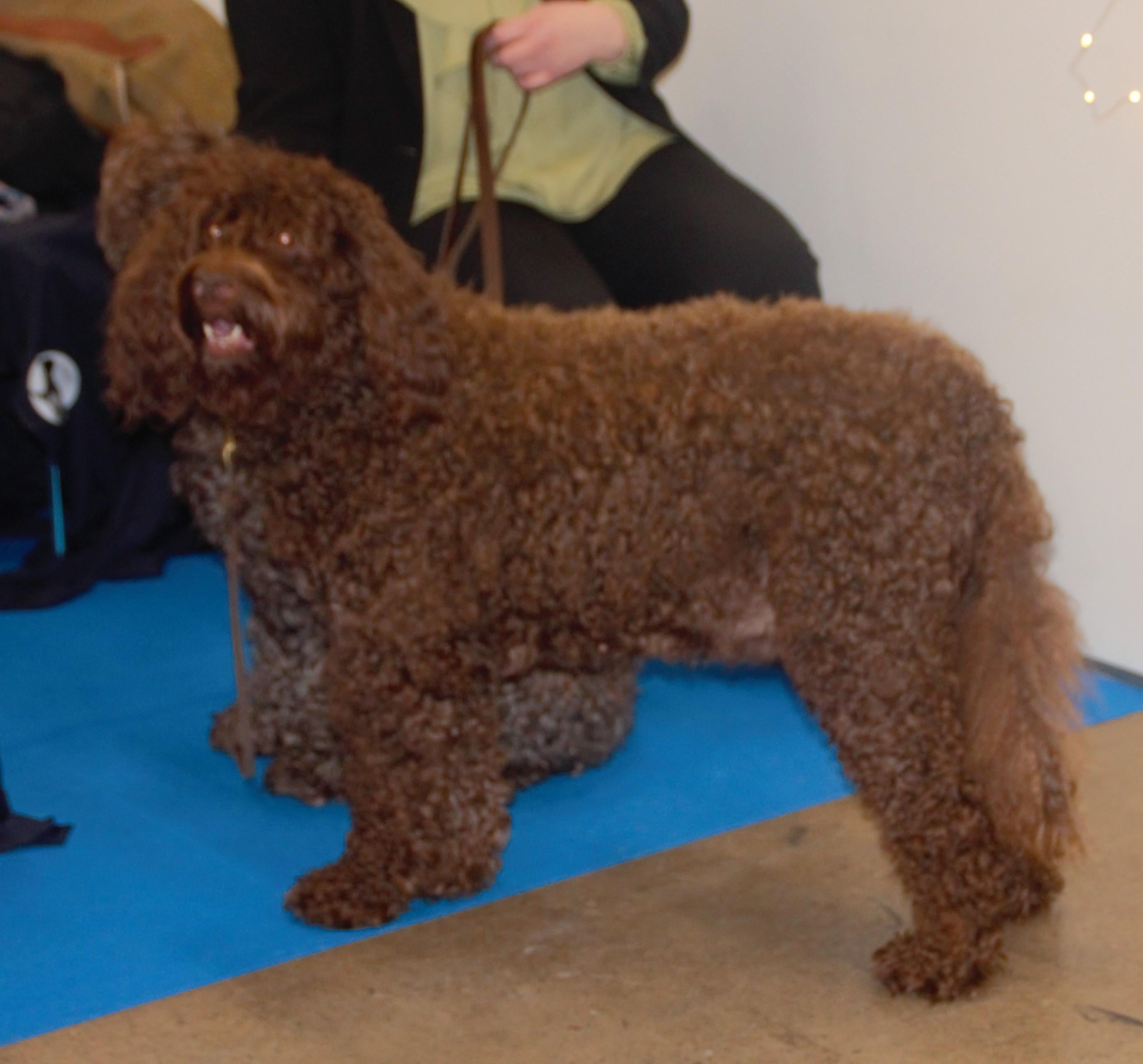
Barbet
medium
Basenji
medium
Basset Bleu de Gascogne
medium
Basset Fauve de Bretagne
small
Basset Griffon Vendeen (Grand)
medium
Basset Griffon Vendeen (Petit)
small
Basset Hound
medium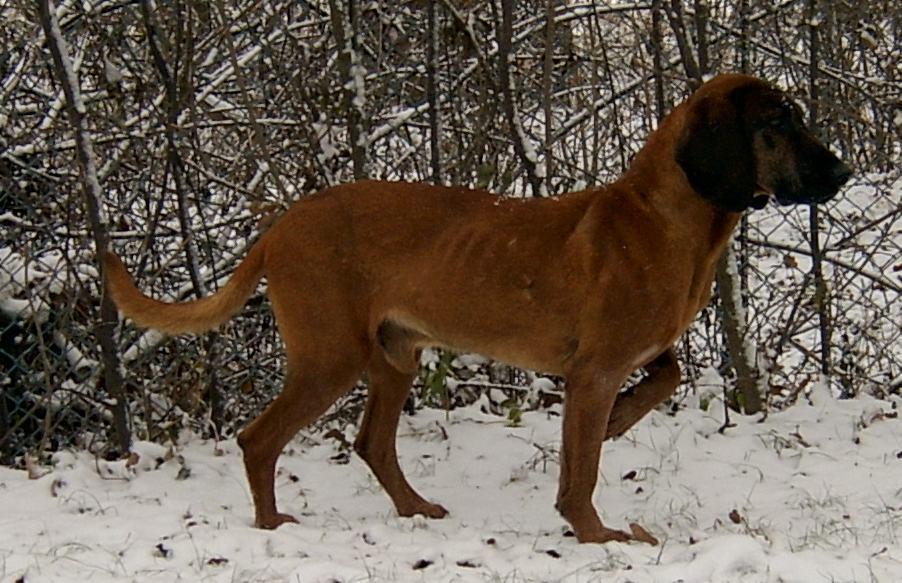
Bavarian Mountain Hound
medium
Beagle
medium
Bearded Collie
medium
Beauceron
large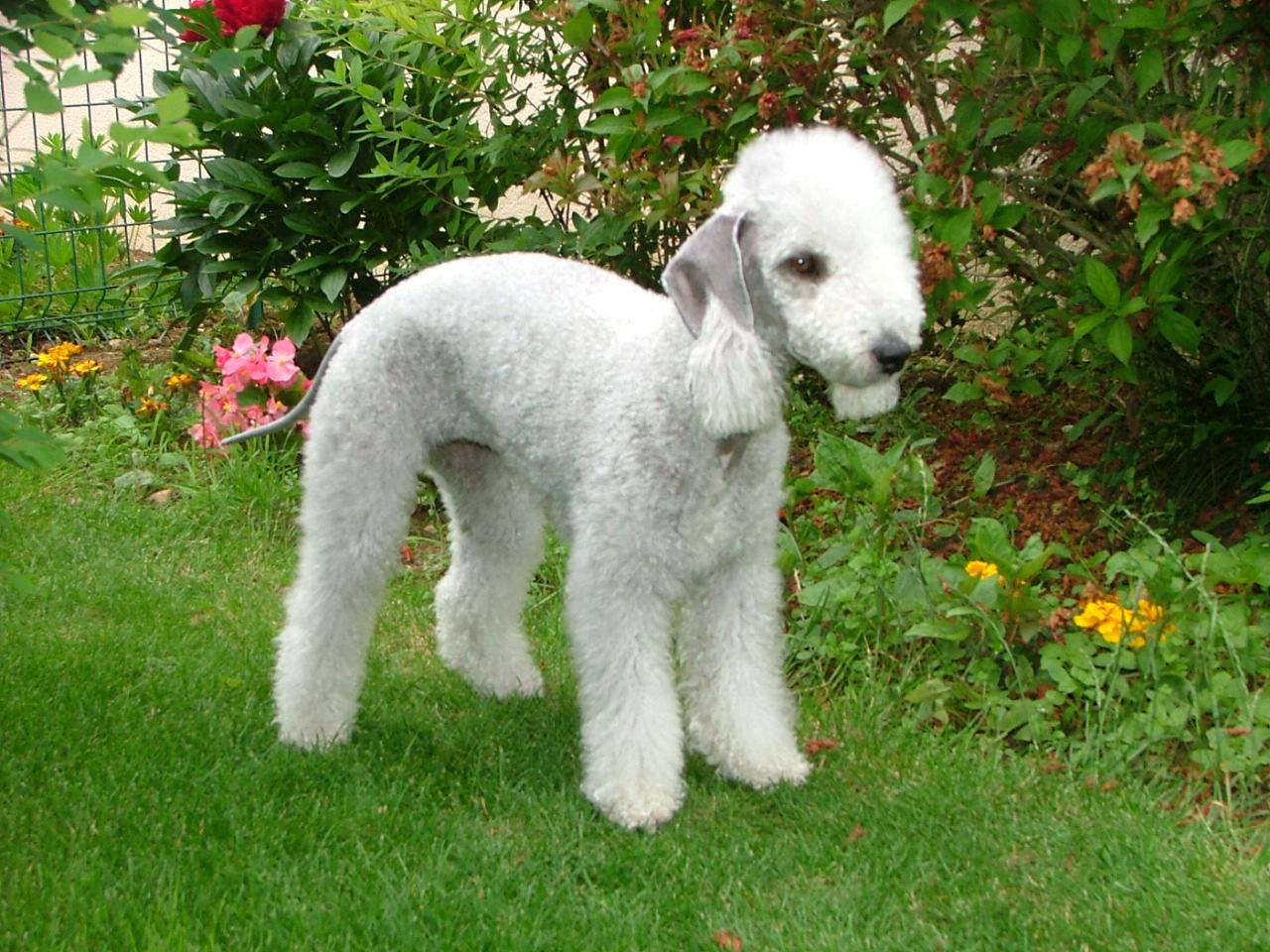
Bedlington Terrier
medium
Belgian Shepherd Dog (Groenendael)
large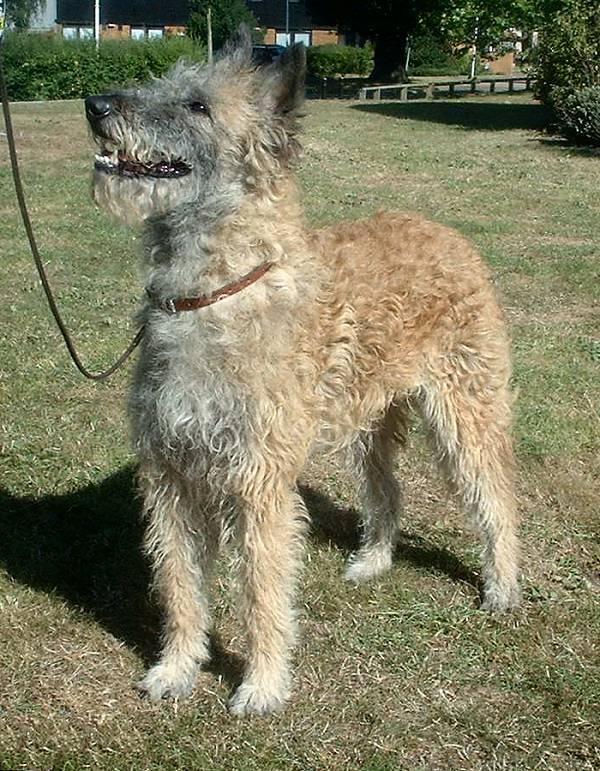
Belgian Shepherd Dog (Laekenois)
large
Belgian Shepherd Dog (Malinois)
large
Belgian Shepherd Dog (Tervueren)
large
Bergamasco Shepherd Dog
large
Bernese Mountain Dog
large
Bichon Frise
small
Bloodhound
large
Bolognese
small
Border Collie
medium
Border Terrier
small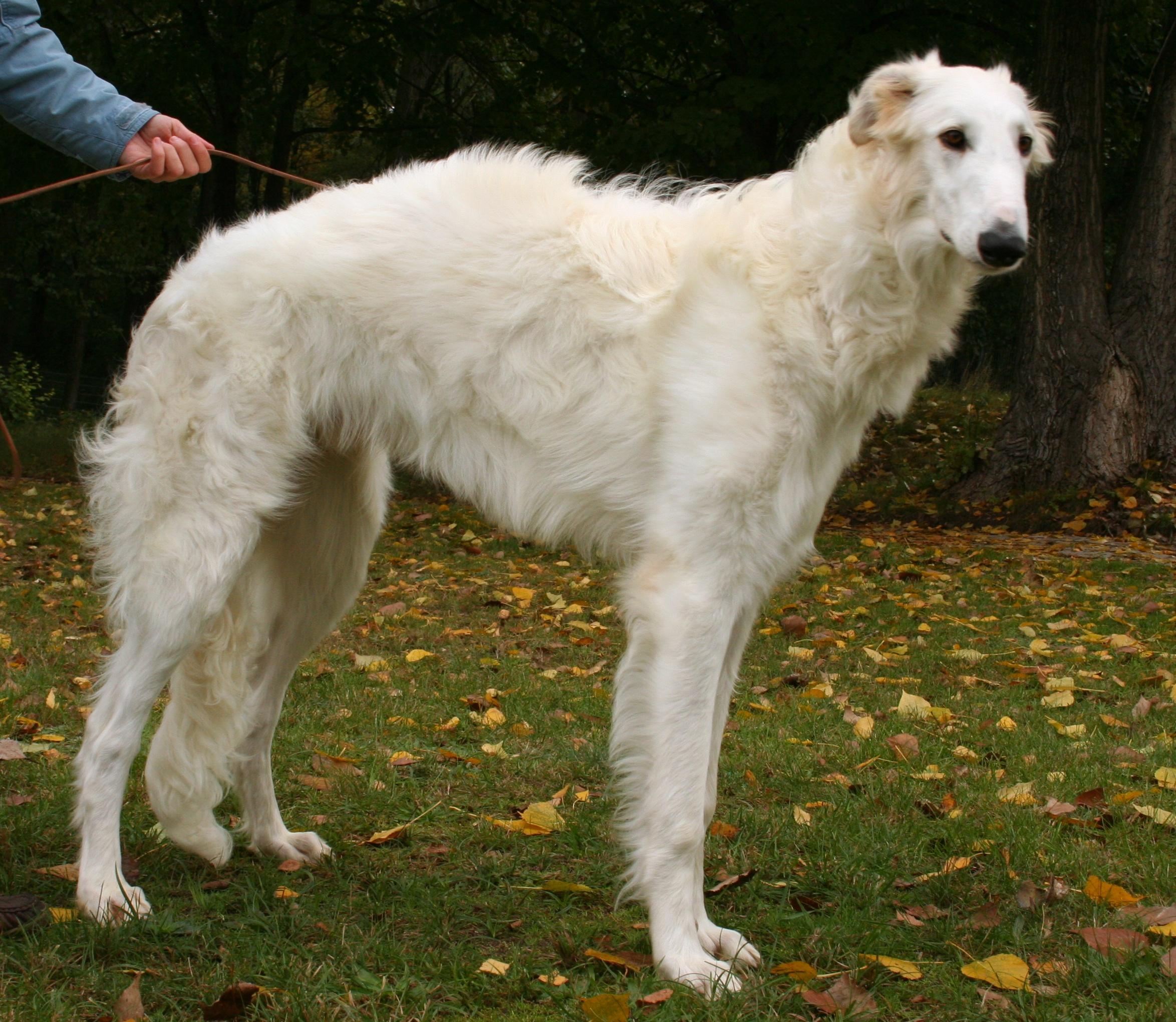
Borzoi
large
Boston Terrier
small
Bouvier des Flandres
large
Boxer
large
Bracco Italiano
large
Briard
large
Brittany
medium
Bull Terrier
medium
Bull Terrier (Miniature)
small
Bulldog
medium
Bullmastiff
large
Cairn Terrier
small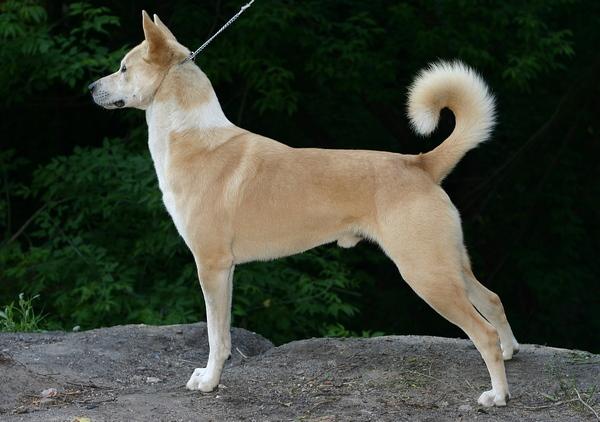
Canaan Dog
medium
Cane Corso
large
Cardigan Welsh Corgi
medium
Cavalier King Charles Spaniel
small
Central Asian Shepherd Dog
large
Cesky Terrier
small
Chesapeake Bay Retriever
large
Chihuahua (Long Coat)
small
Chihuahua (Smooth Coat)
small
Chinese Crested
small
Chow Chow
medium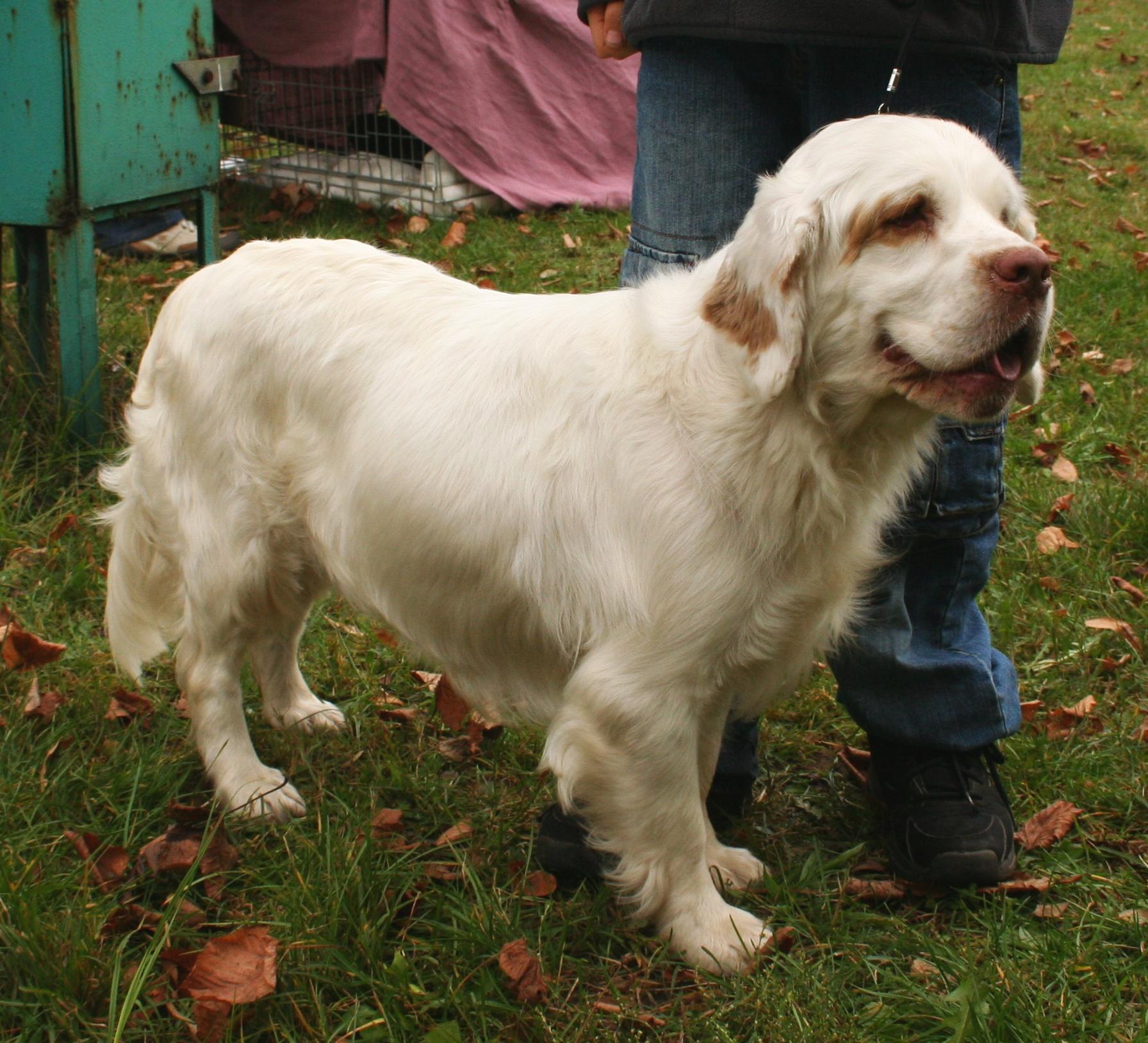
Clumber Spaniel
large
Cocker Spaniel
medium
Collie (Rough)
large
Collie (Smooth)
large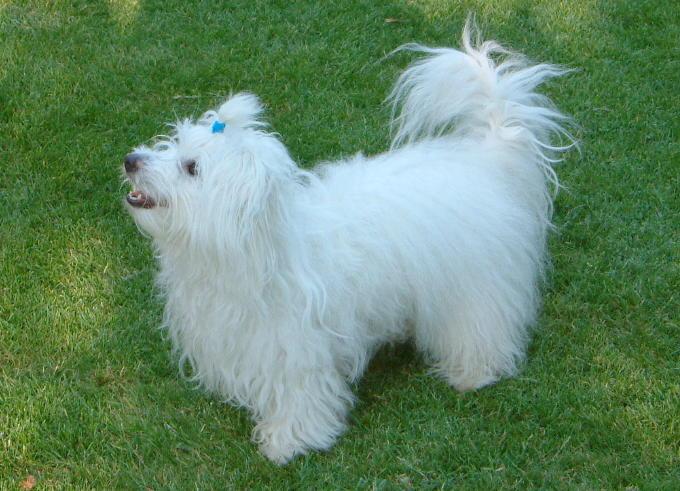
Coton de Tulear
small
Curly Coated Retriever
large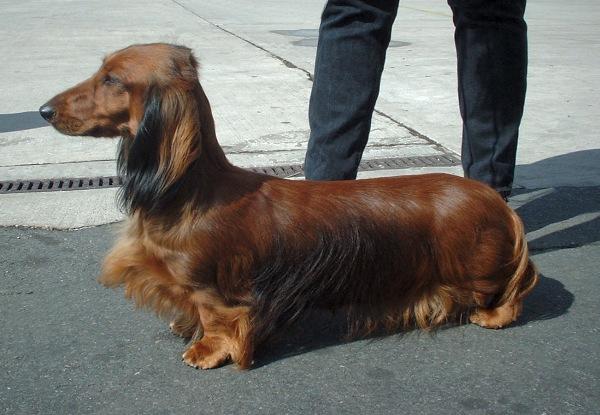
Dachshund (Long Haired)
smallDachshund (Miniature Long Haired)
small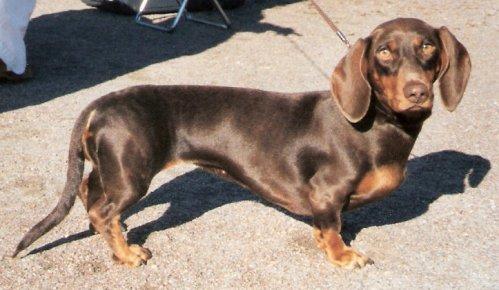
Dachshund (Miniature Smooth Haired)
small.jpg&w=3840&q=75)
Dachshund (Miniature Wire Haired)
smallDachshund (Smooth Haired)
smallDachshund (Wire Haired)
small
Dalmatian
large
Dandie Dinmont Terrier
small
Deerhound
large
Dobermann
large
Dogue de Bordeaux
large
Dutch Shepherd Dog
large
English Setter
large
English Springer Spaniel
medium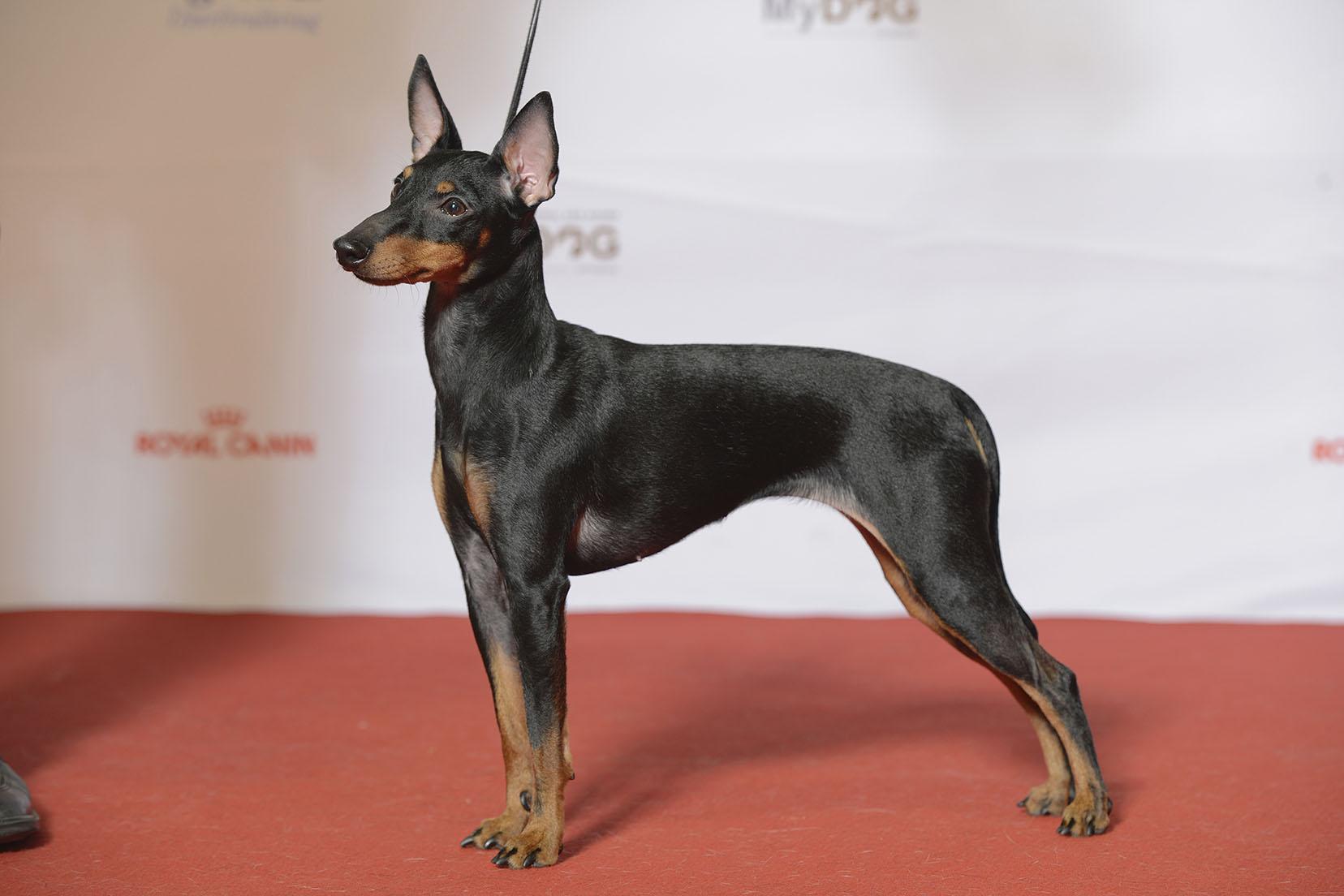
English Toy Terrier (Black & Tan)
small
Entlebucher Mountain Dog
medium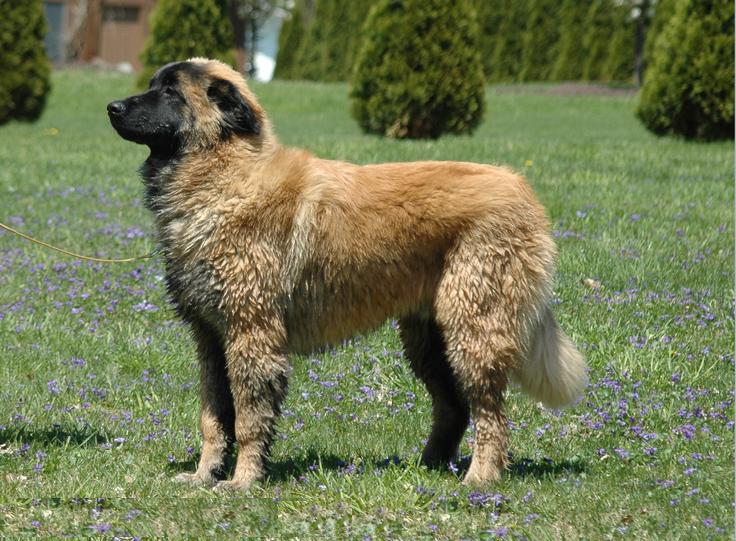
Estrela Mountain Dog
large
Eurasier
medium
Field Spaniel
medium
Finnish Lapphund
medium
Finnish Spitz
medium
Flat Coated Retriever
large
Fox Terrier (Smooth)
medium
Fox Terrier (Wire)
medium
French Bulldog
small
German Pinscher
medium
German Shepherd Dog
large
German Shorthaired Pointer
large
German Spitz (Klein)
small
German Spitz (Mittel)
medium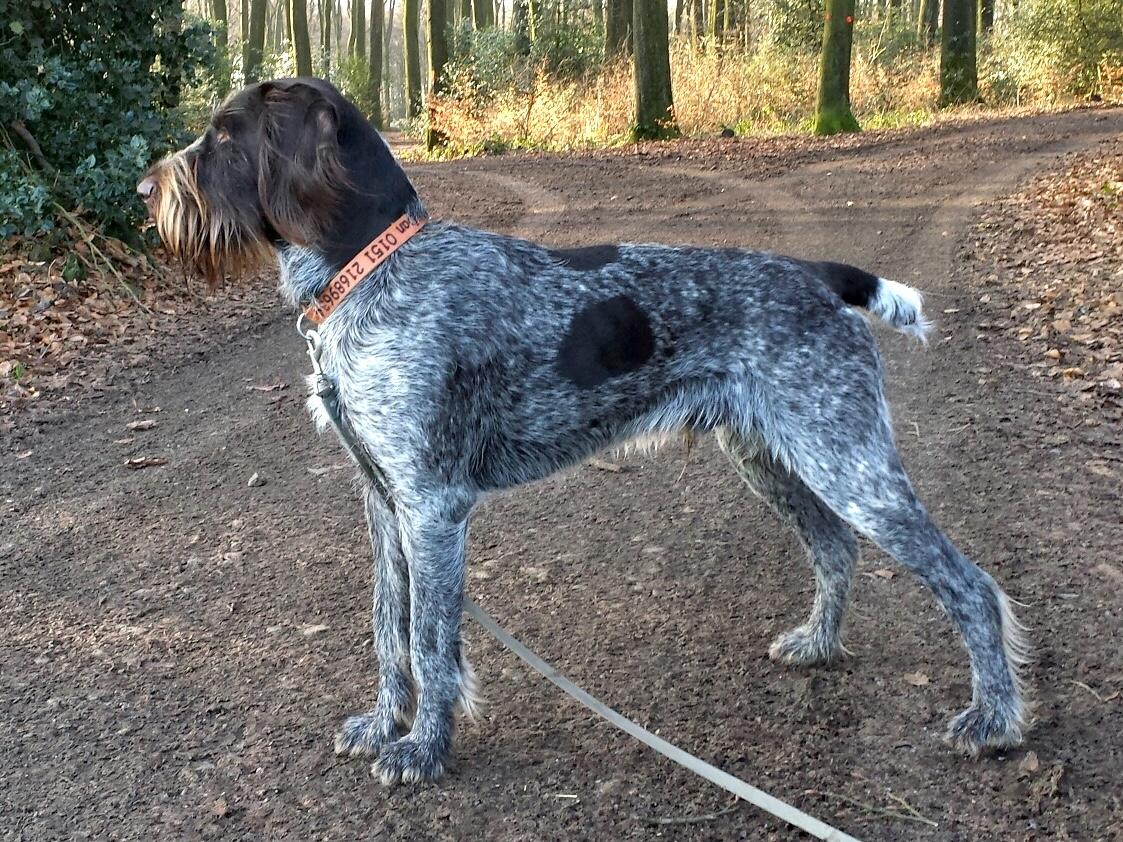
German Wirehaired Pointer
large
Giant Schnauzer
large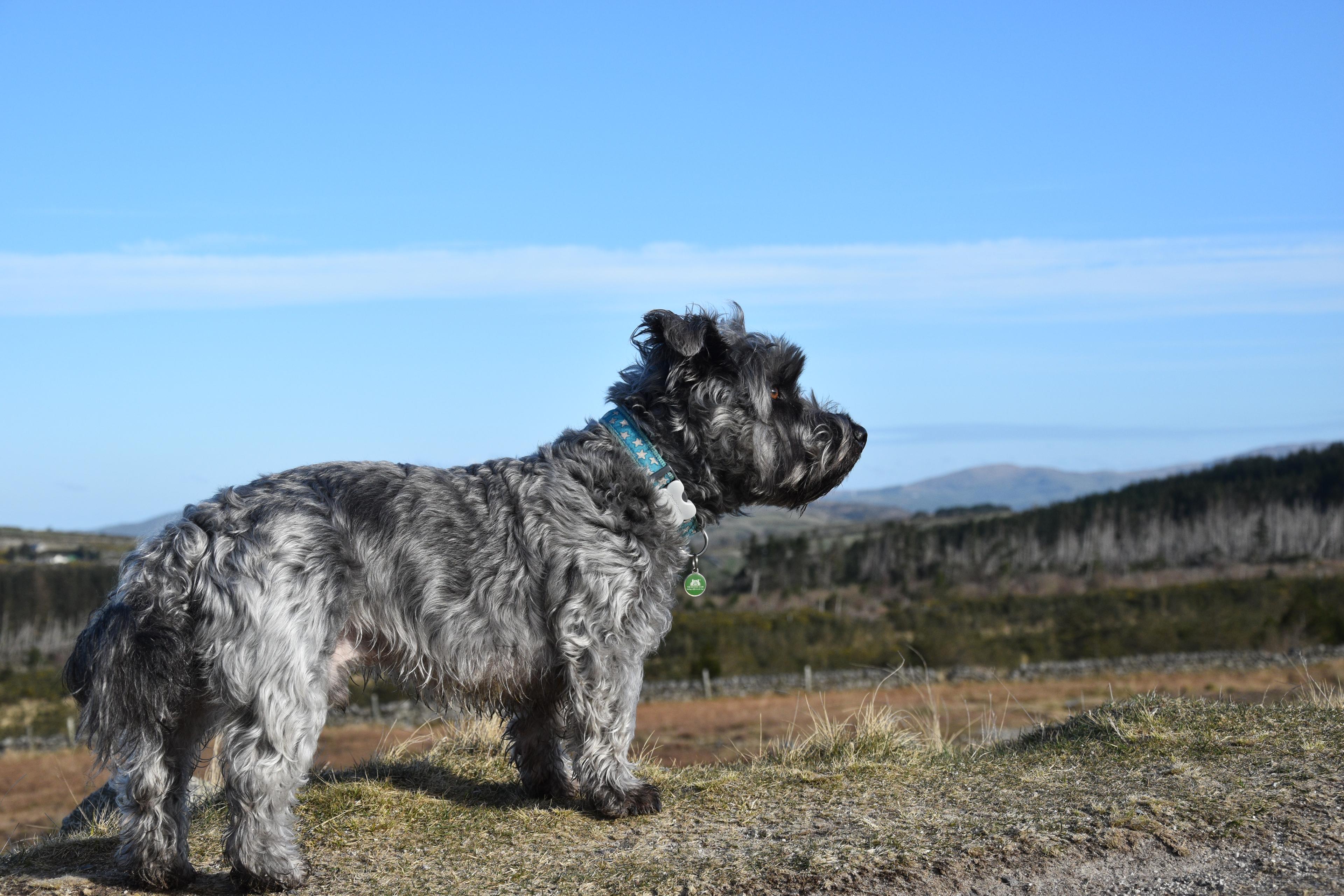
Glen of Imaal Terrier
small
Golden Retriever
large
Gordon Setter
largeGrand Basset Griffon Vendeen
medium
Great Dane
large
Greyhound
large
Griffon Bruxellois
small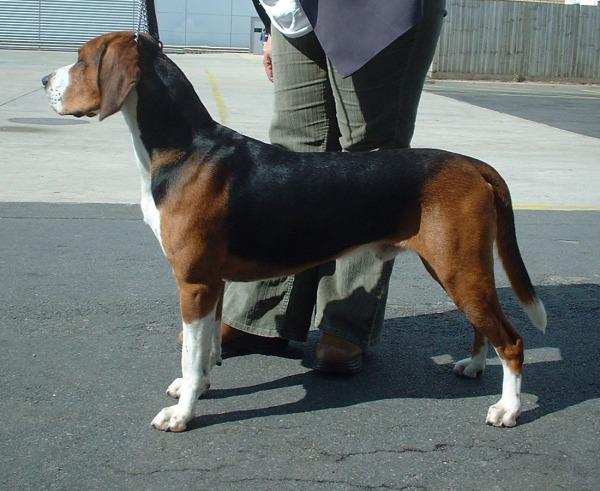
Hamiltonstovare
medium
Havanese
small
Hovawart
large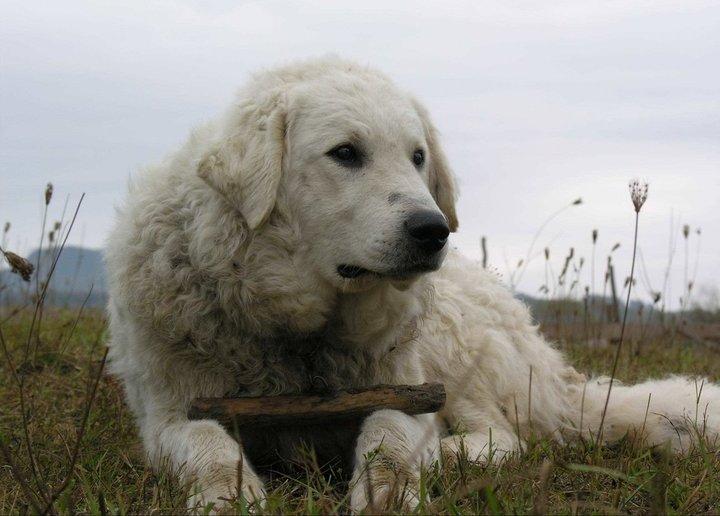
Hungarian Kuvasz
large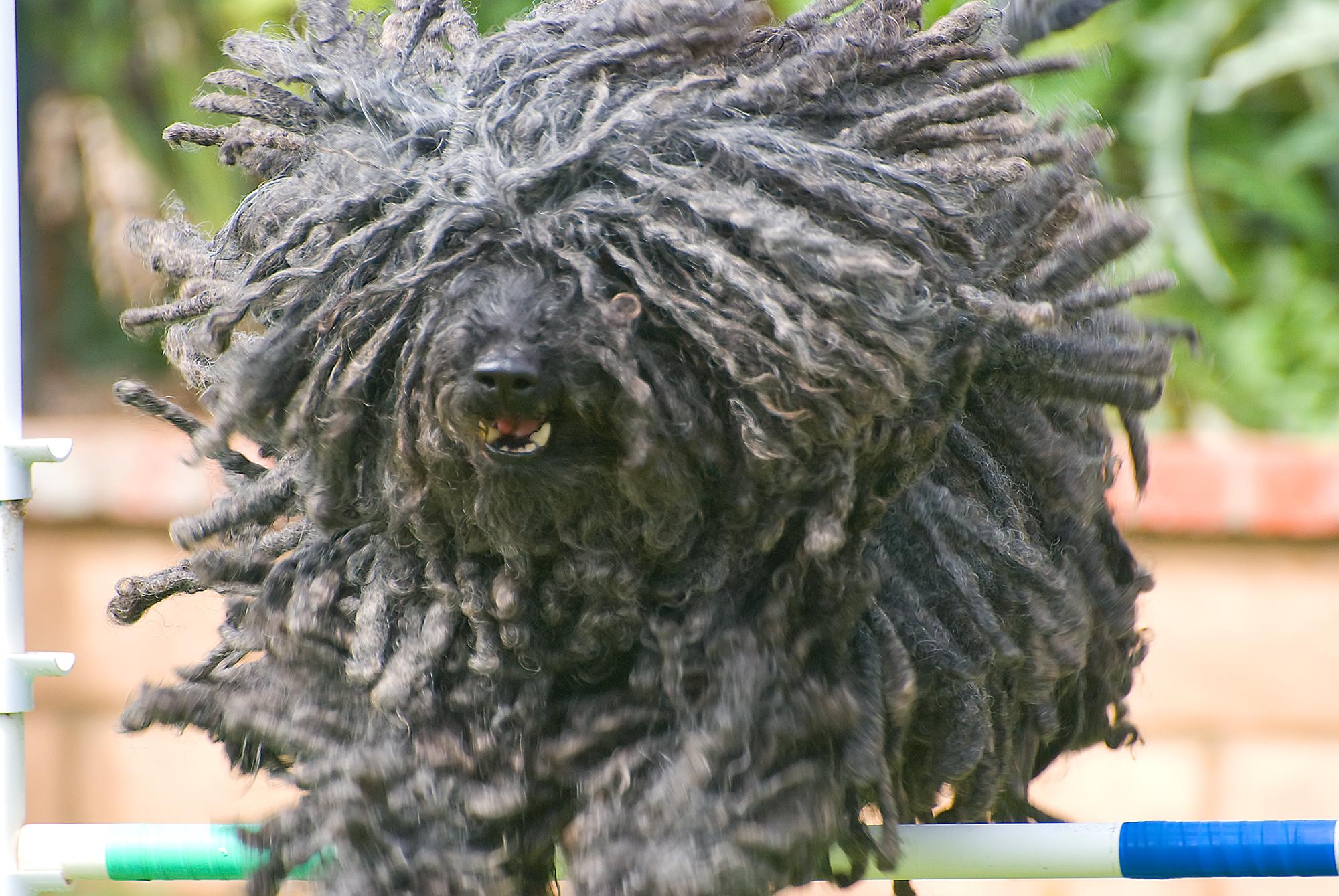
Hungarian Puli
medium
Hungarian Pumi
medium
Hungarian Vizsla
large
Hungarian Wire Haired Vizsla
large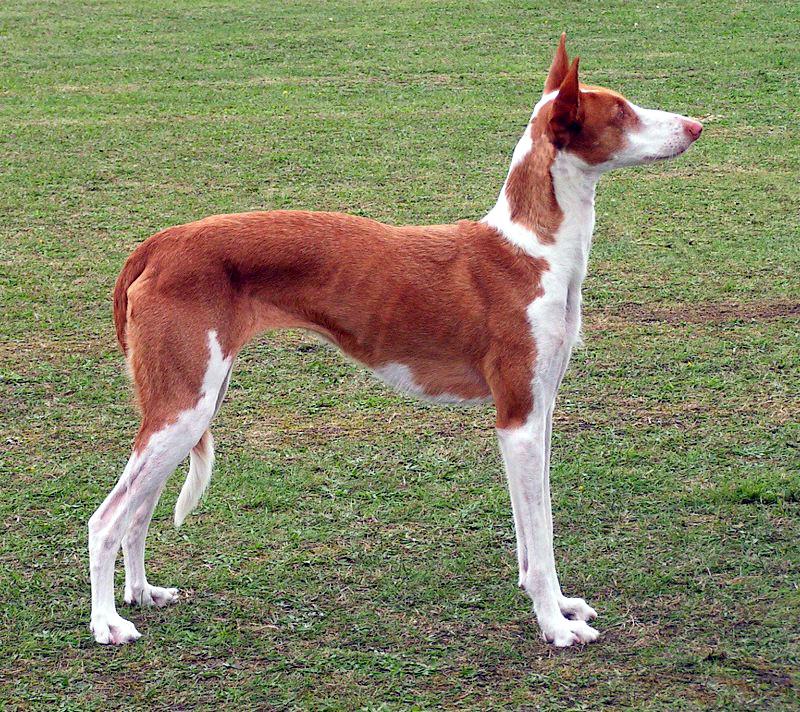
Ibizan Hound
large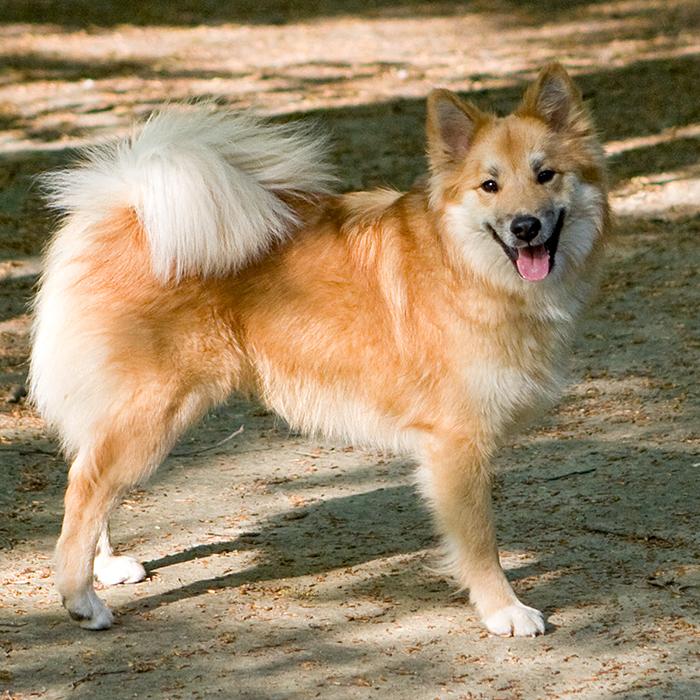
Icelandic Sheepdog
medium
Irish Red and White Setter
large
Irish Setter
large
Irish Terrier
medium
Irish Water Spaniel
large
Irish Wolfhound
large
Italian Greyhound
small
Italian Spinone
large
Jack Russell Terrier
small
Japanese Chin
small
Japanese Shiba Inu
medium
Japanese Spitz
small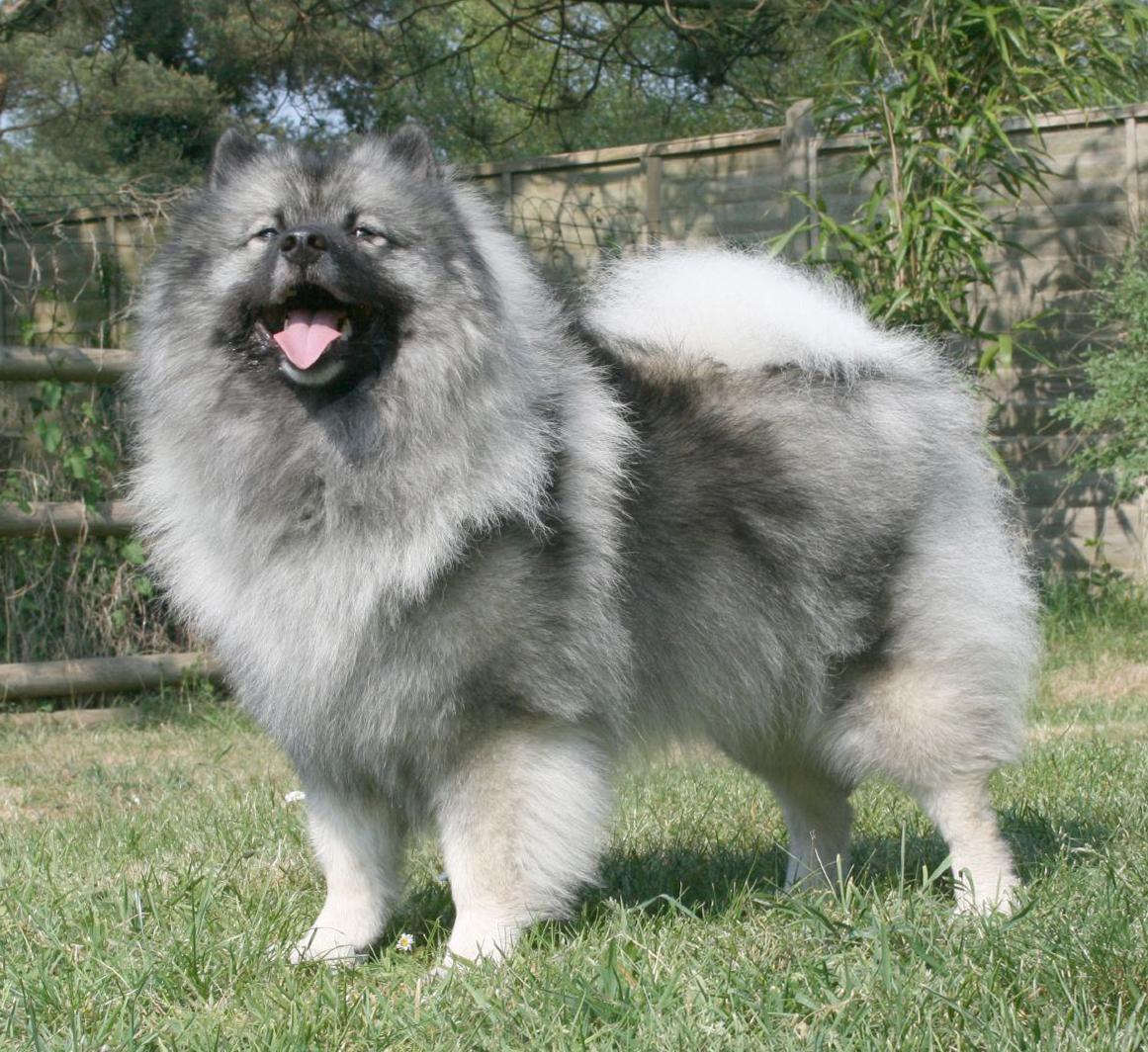
Keeshond
medium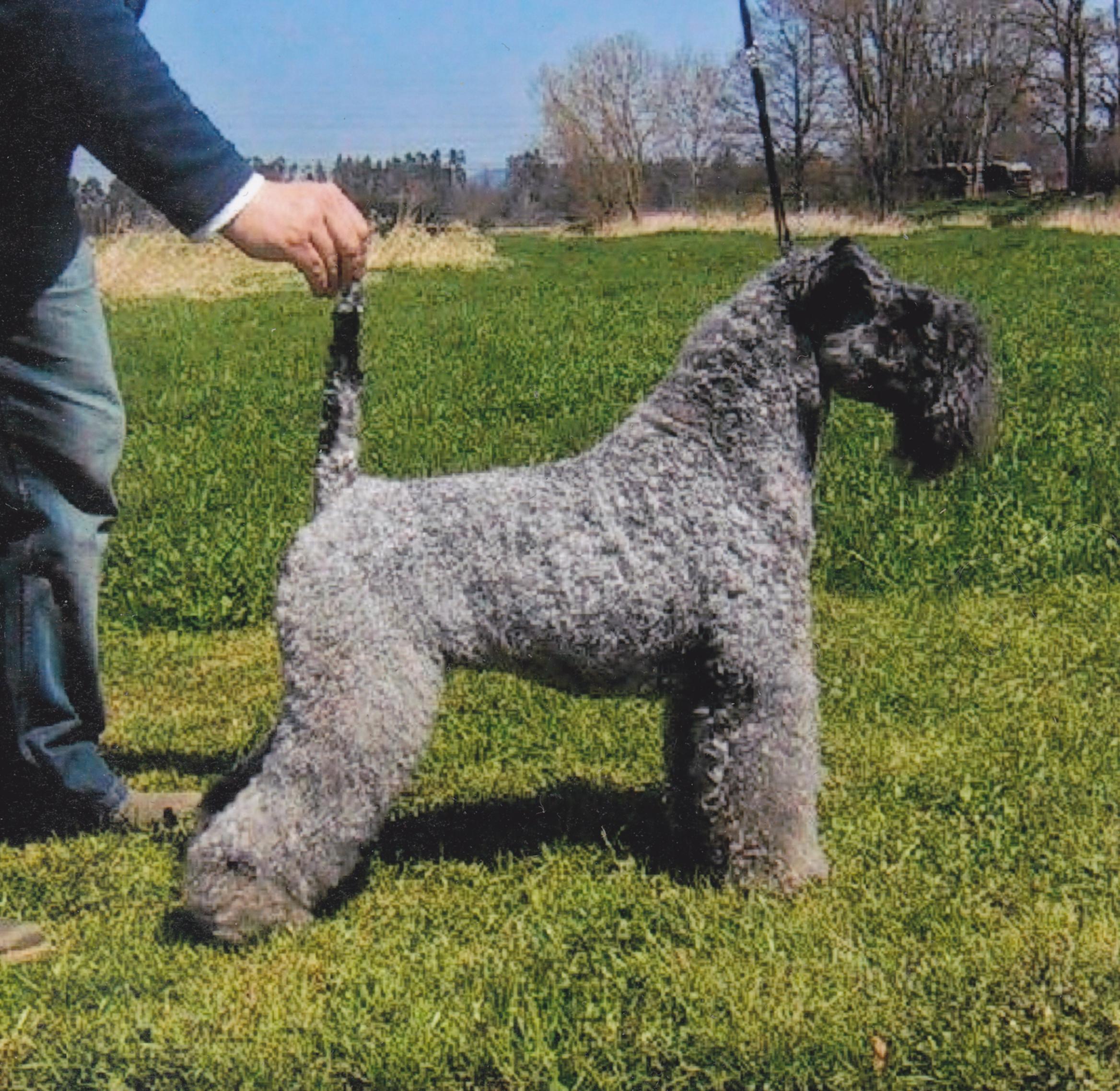
Kerry Blue Terrier
medium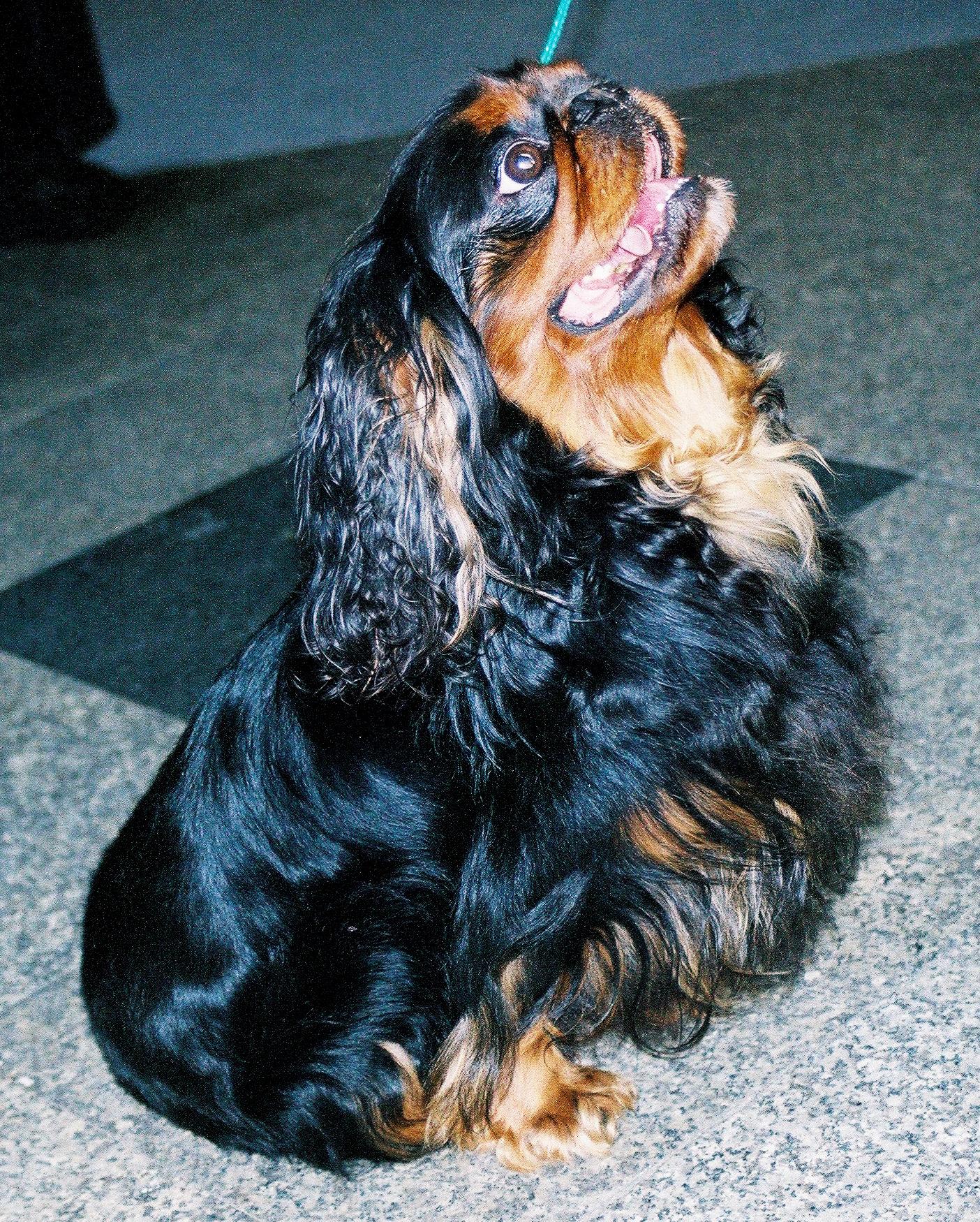
King Charles Spaniel
small
Komondor
large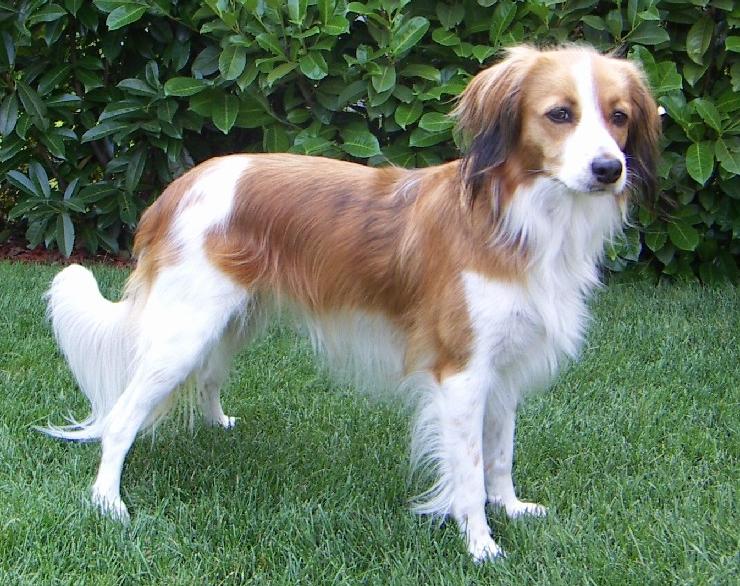
Kooikerhondje
medium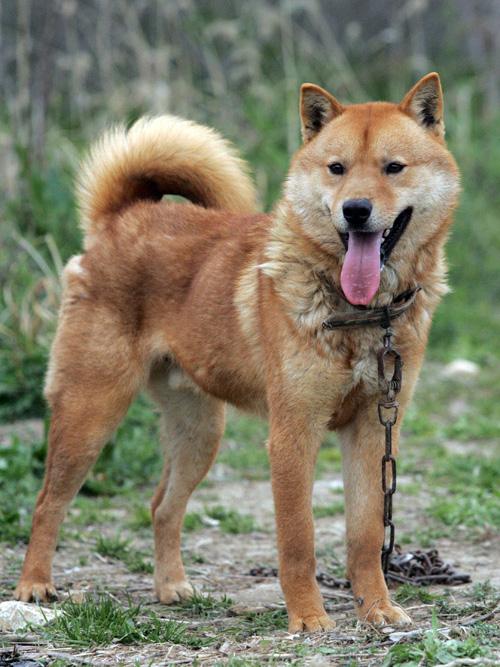
Korean Jindo
medium
Labrador Retriever
large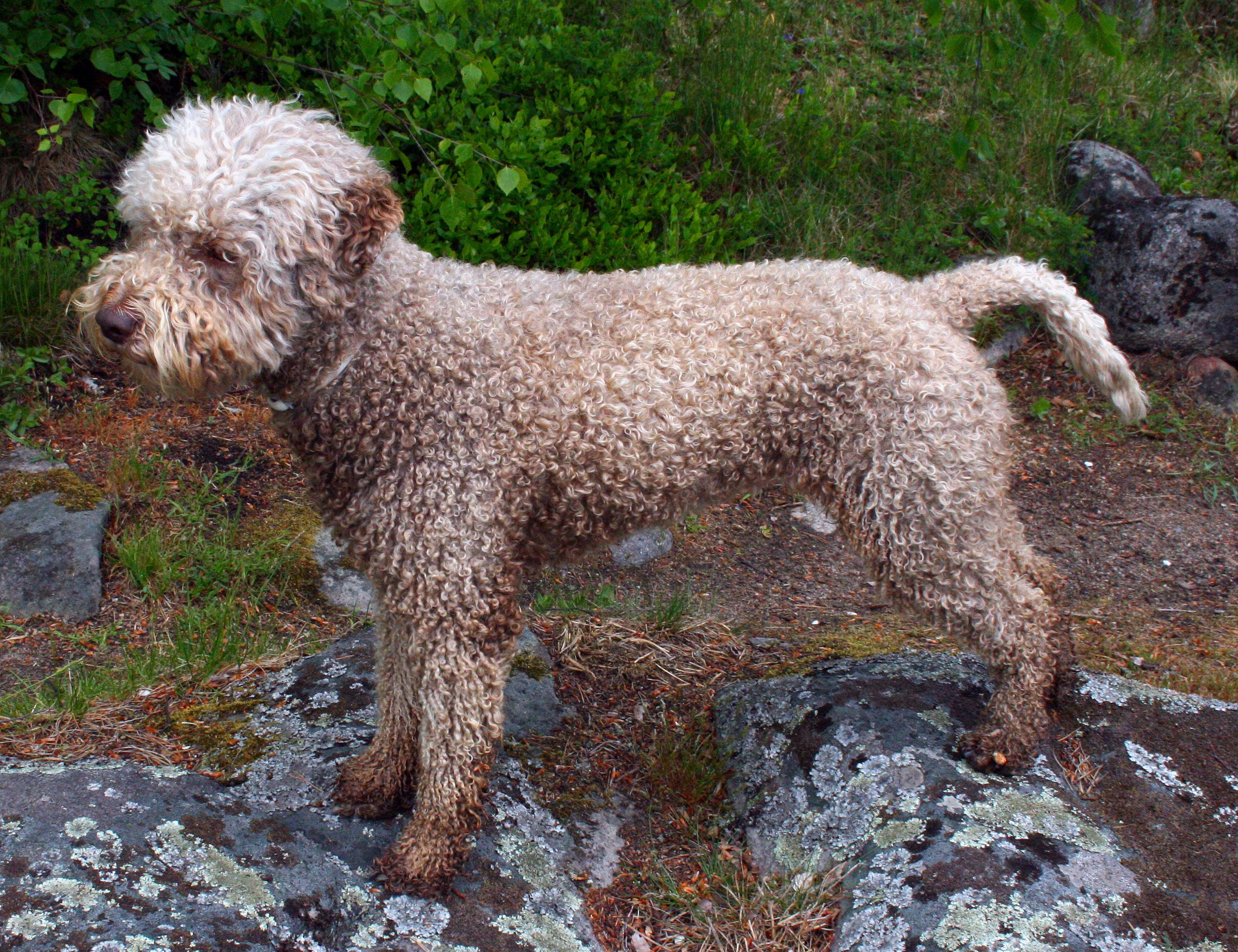
Lagotto Romagnolo
medium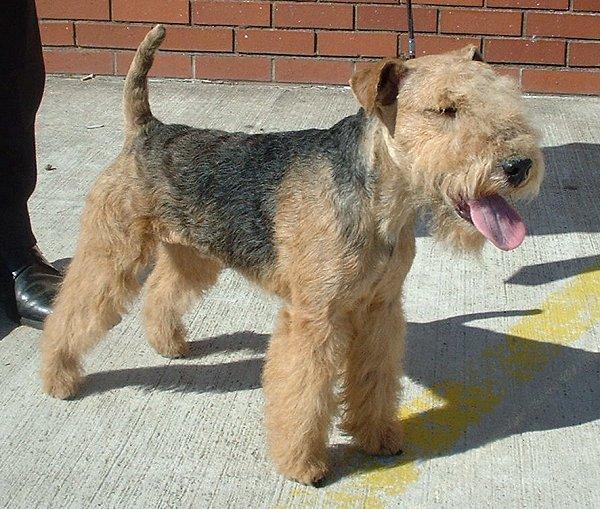
Lakeland Terrier
small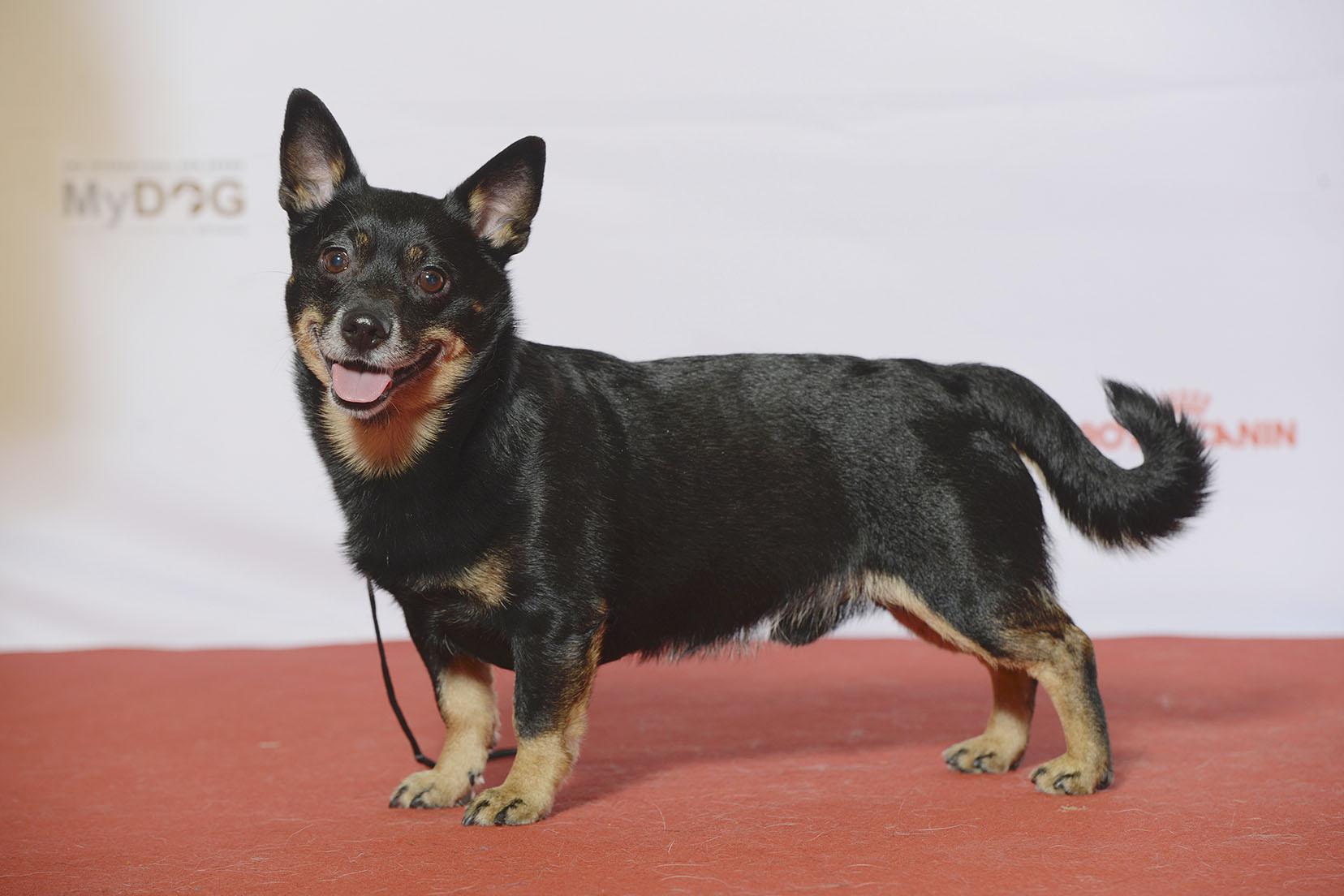
Lancashire Heeler
small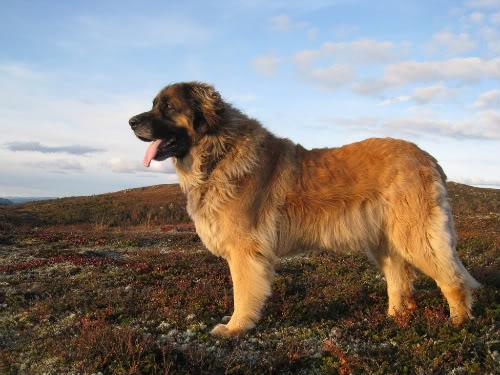
Leonberger
large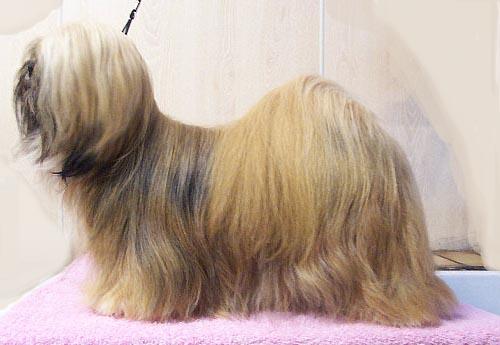
Lhasa Apso
small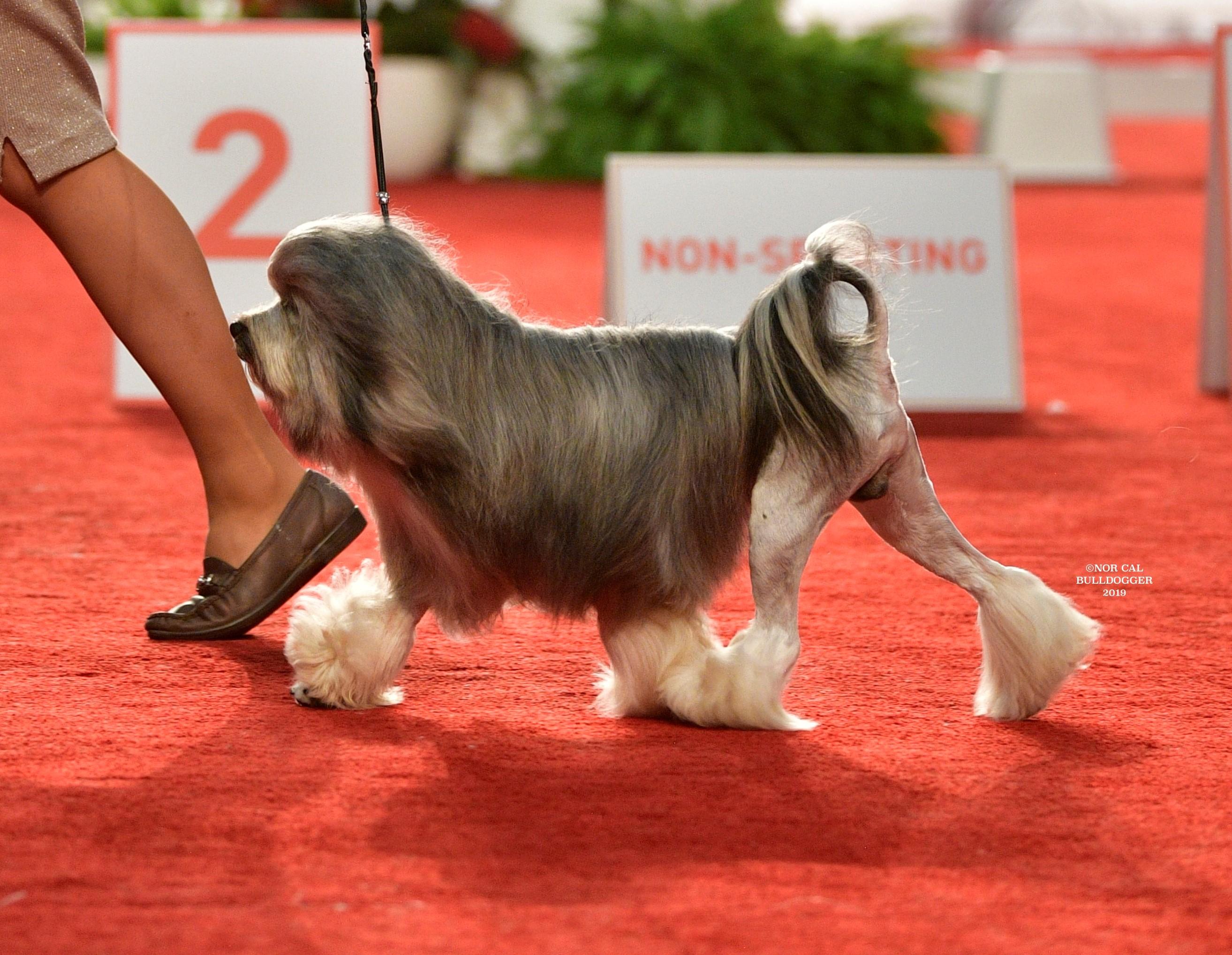
Lowchen
small
Maltese
small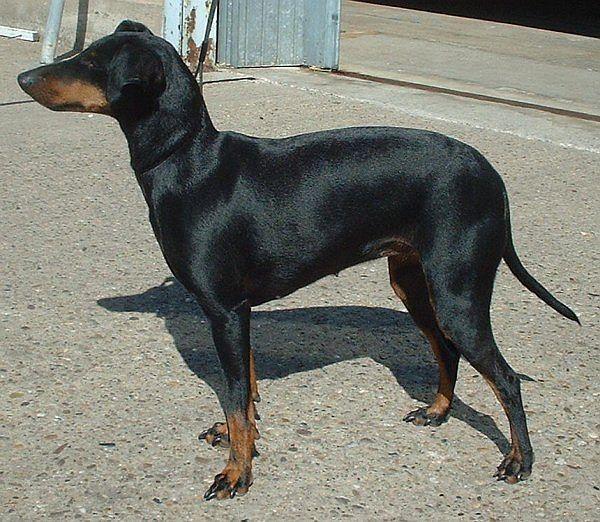
Manchester Terrier
medium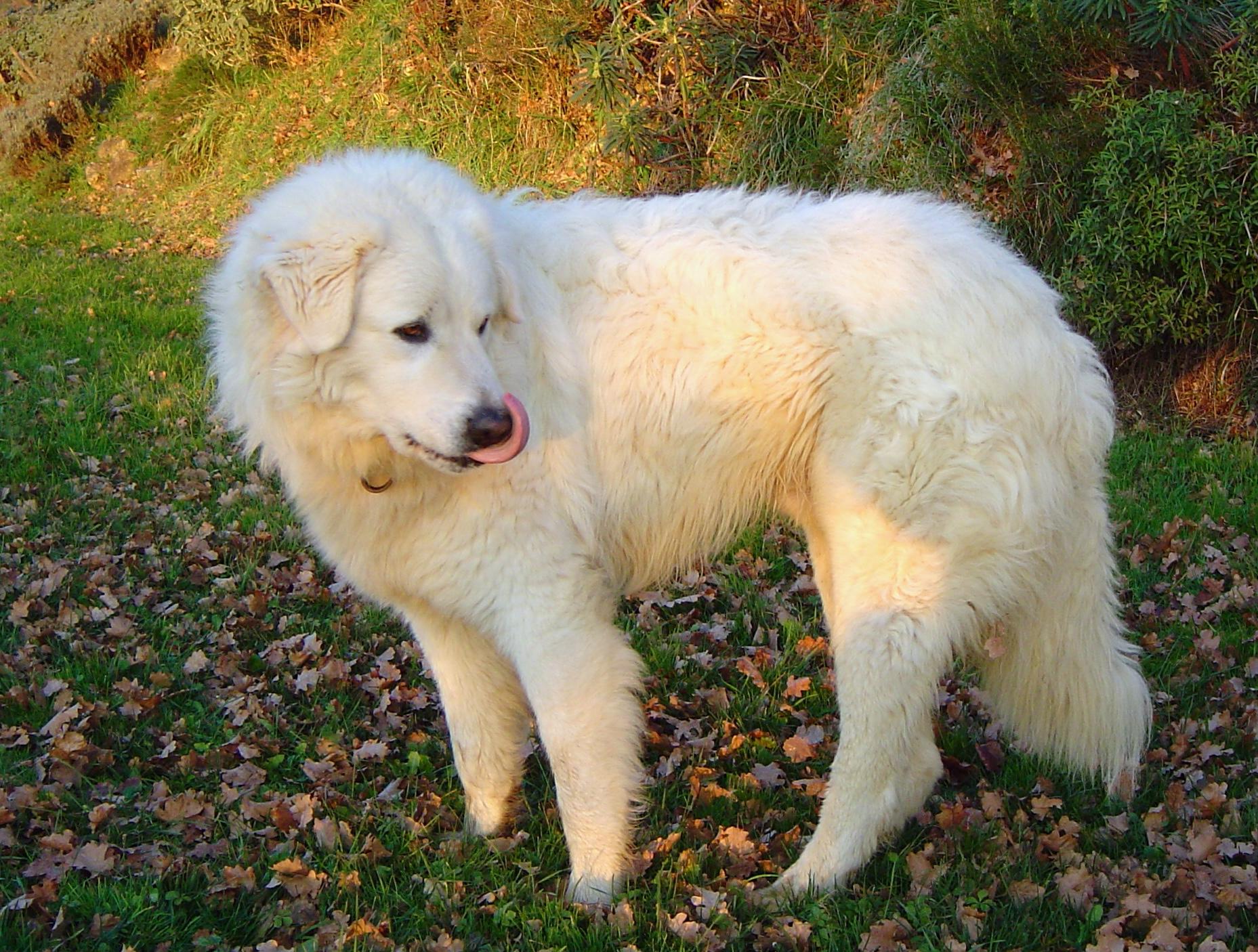
Maremma Sheepdog
large
Mastiff
large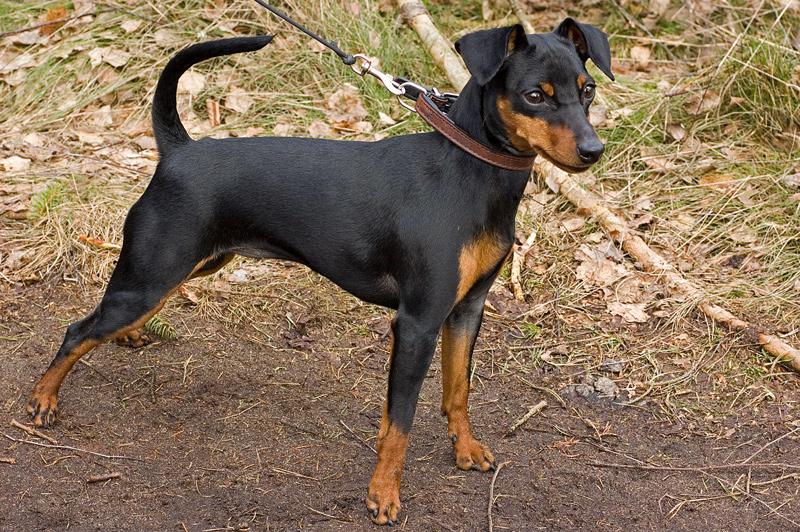
Miniature Pinscher
small
Miniature Schnauzer
small
Neapolitan Mastiff
large
Newfoundland
large
Norfolk Terrier
small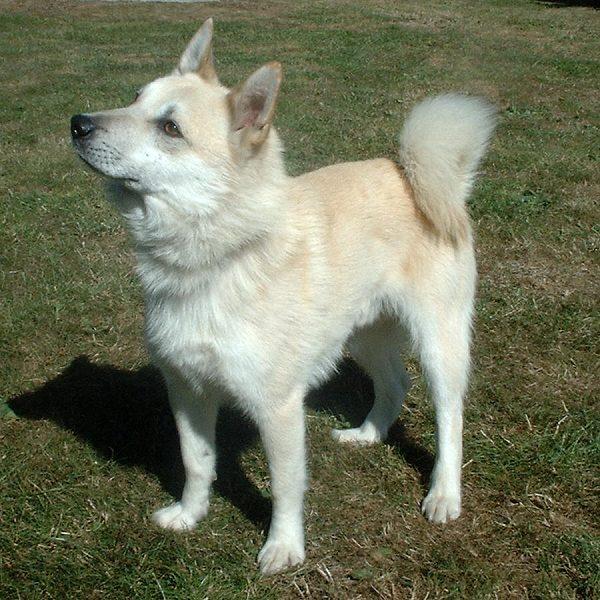
Norwegian Buhund
medium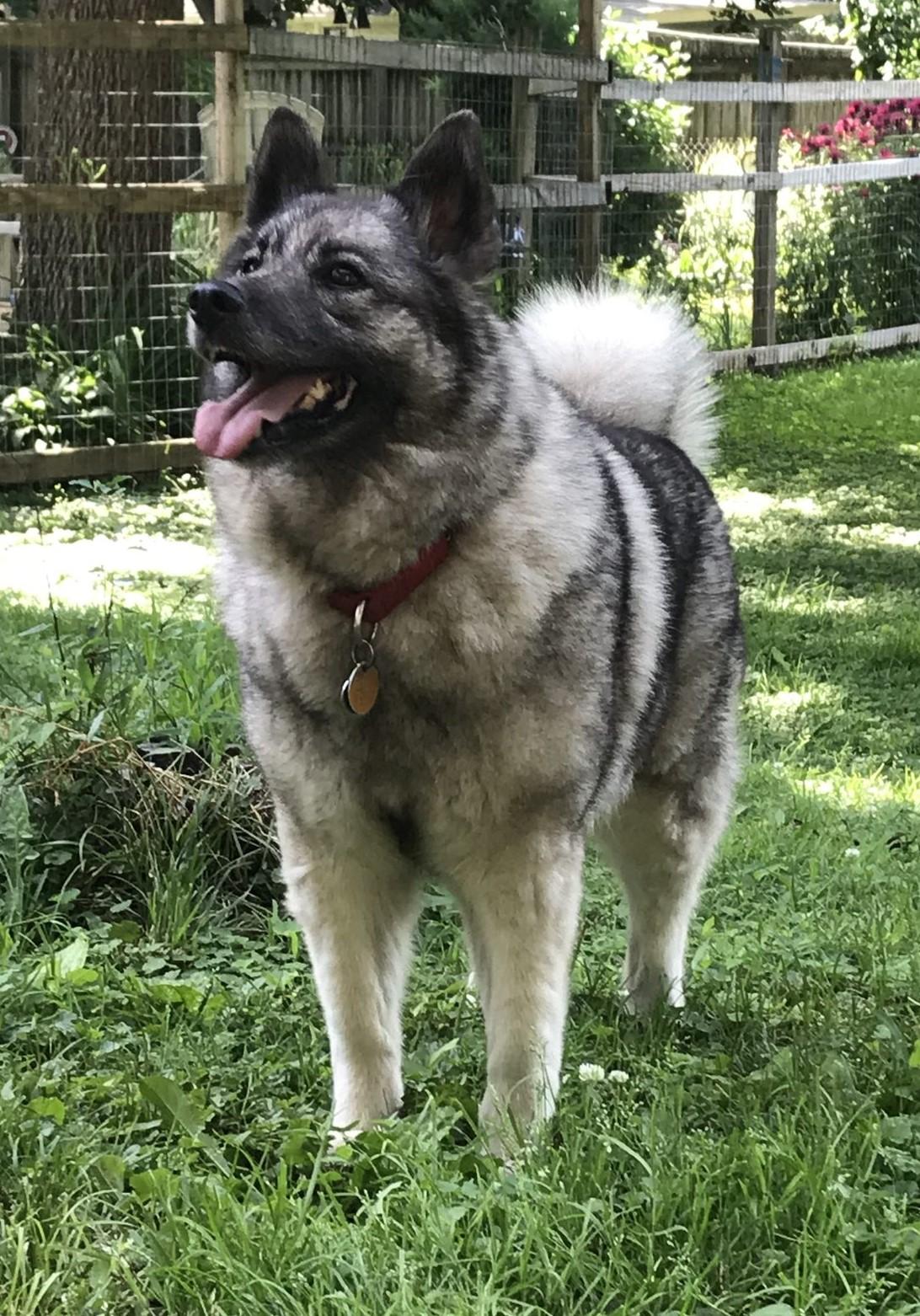
Norwegian Elkhound
medium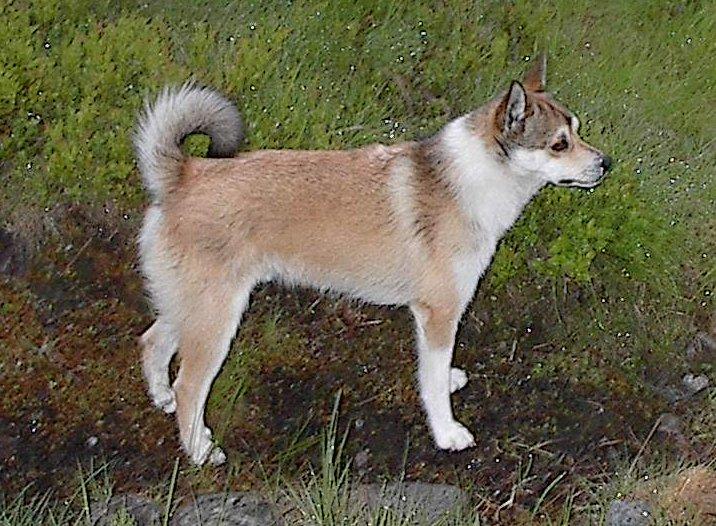
Norwegian Lundehund
small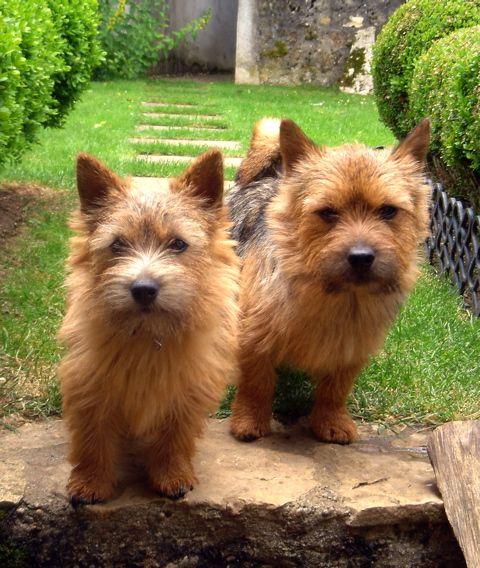
Norwich Terrier
small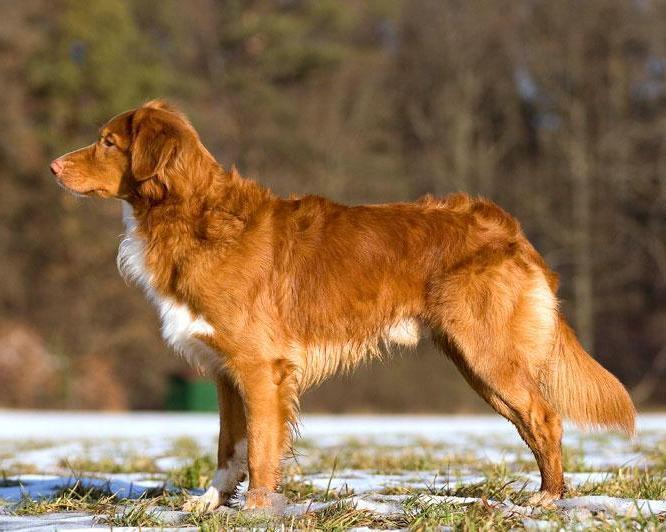
Nova Scotia Duck Tolling Retriever
medium
Old English Sheepdog
large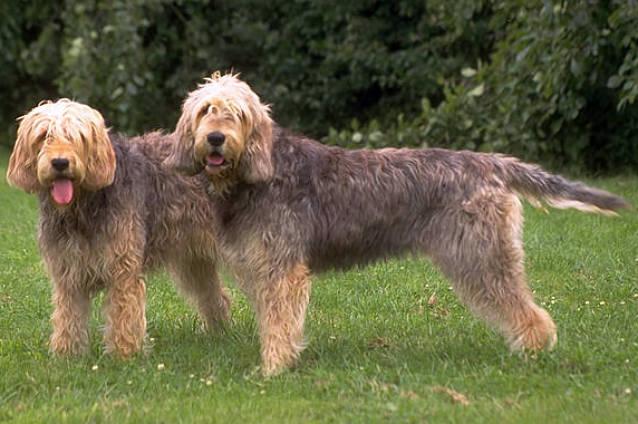
Otterhound
large
Papillon
small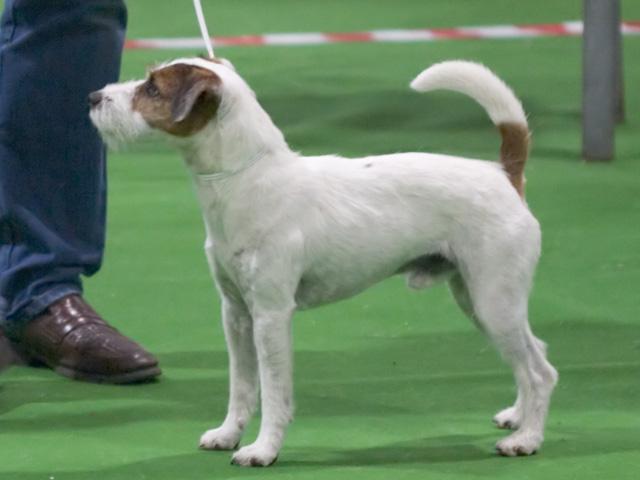
Parson Russell Terrier
small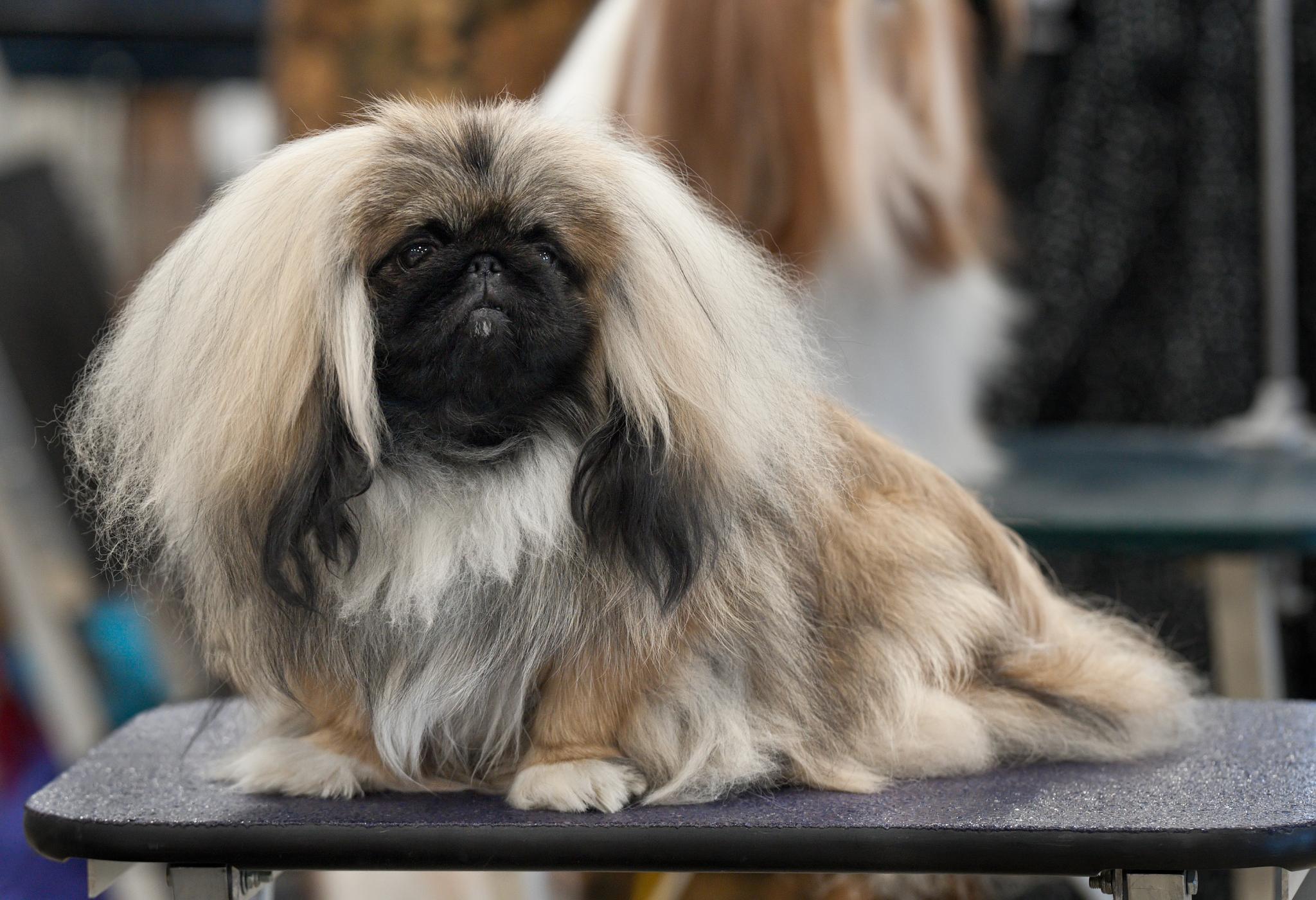
Pekingese
small
Pembroke Welsh Corgi
medium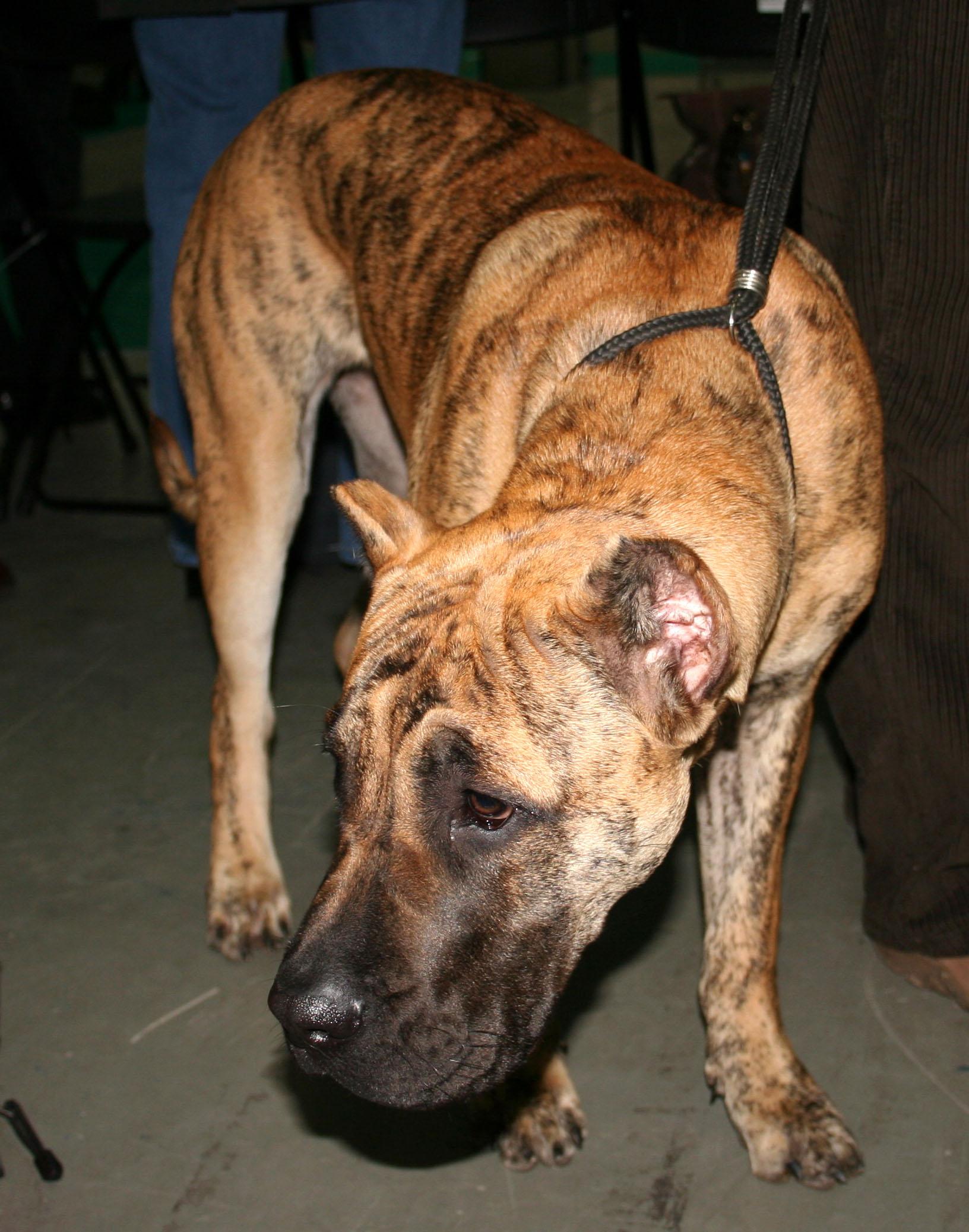
Perro de Presa Canario
large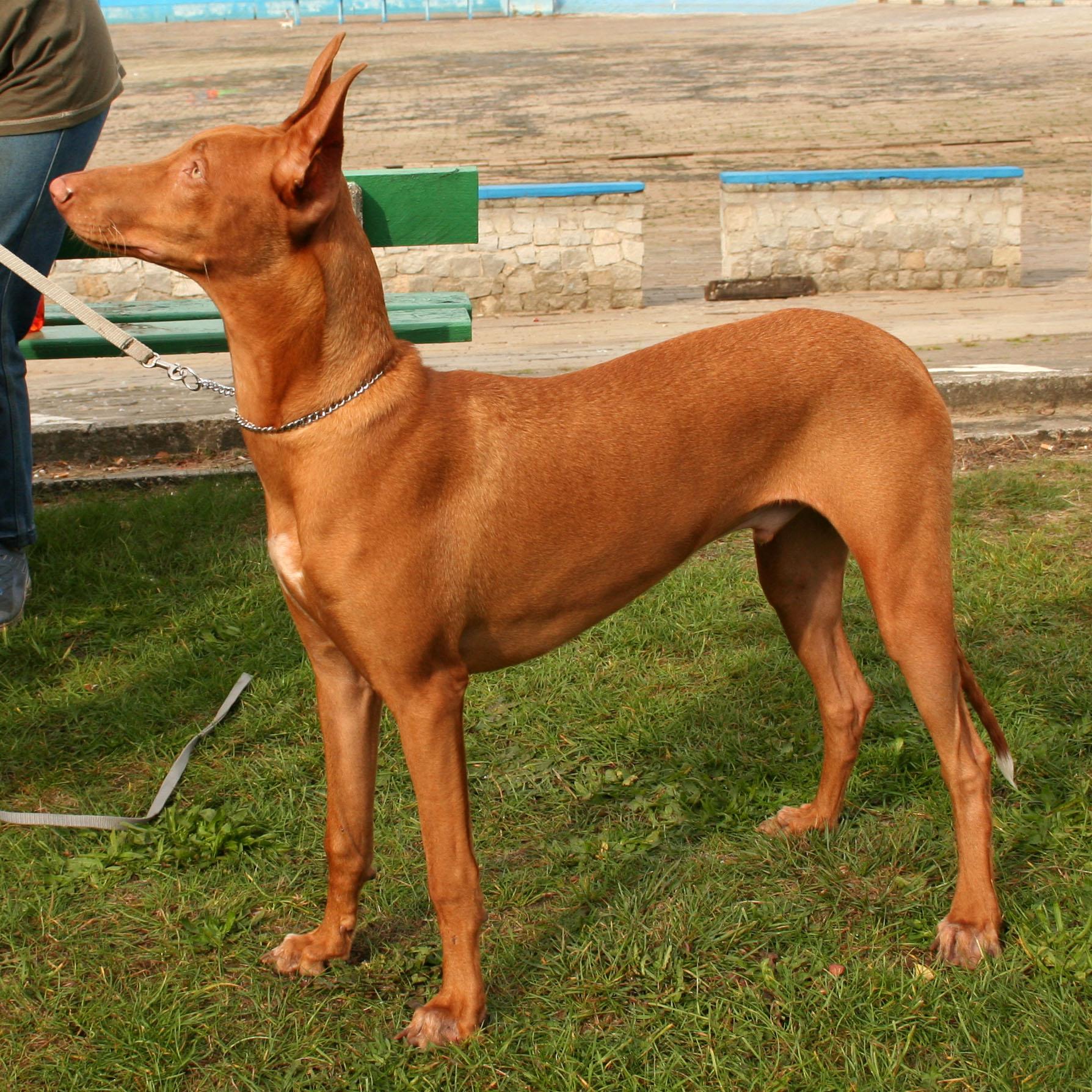
Pharaoh Hound
medium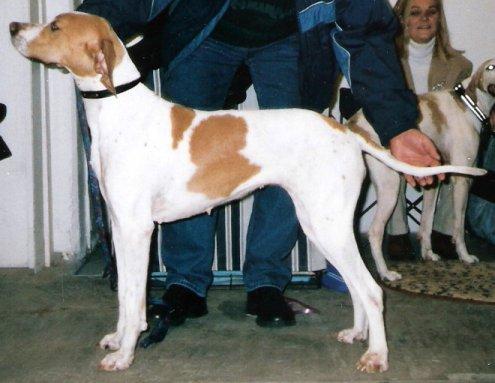
Pointer
large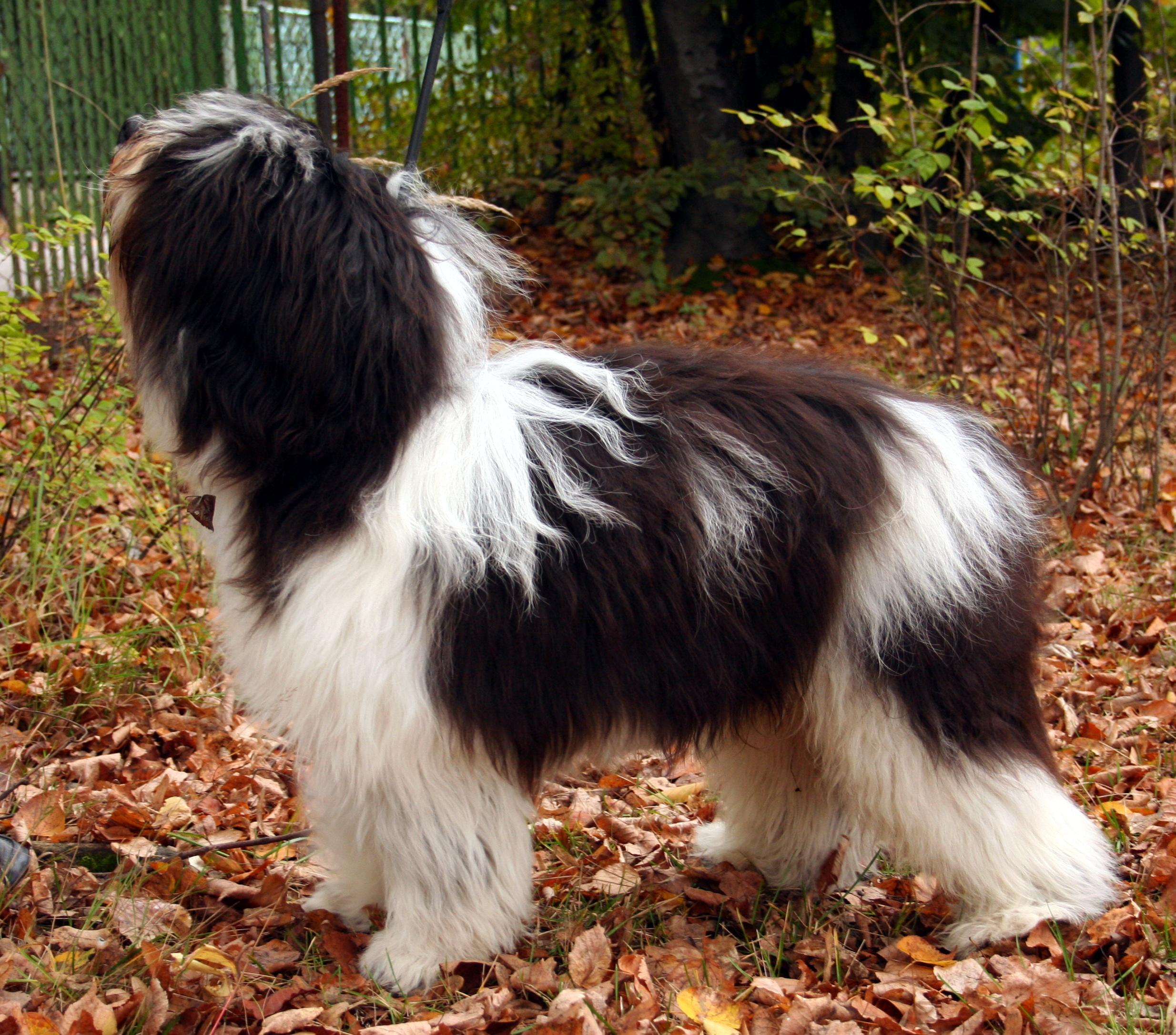
Polish Lowland Sheepdog
medium
Pomeranian
small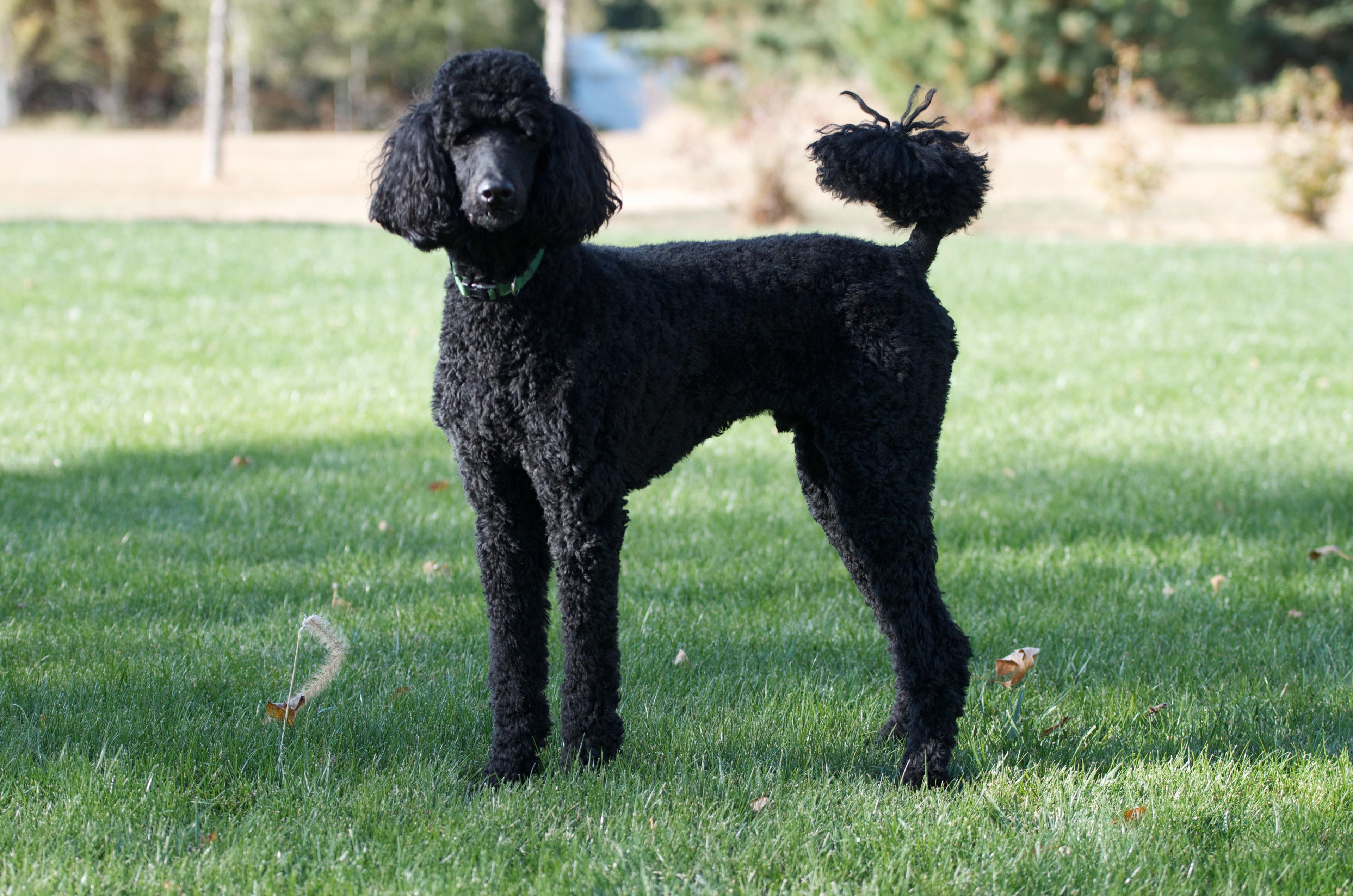
Poodle (Miniature)
small
Poodle (Standard)
medium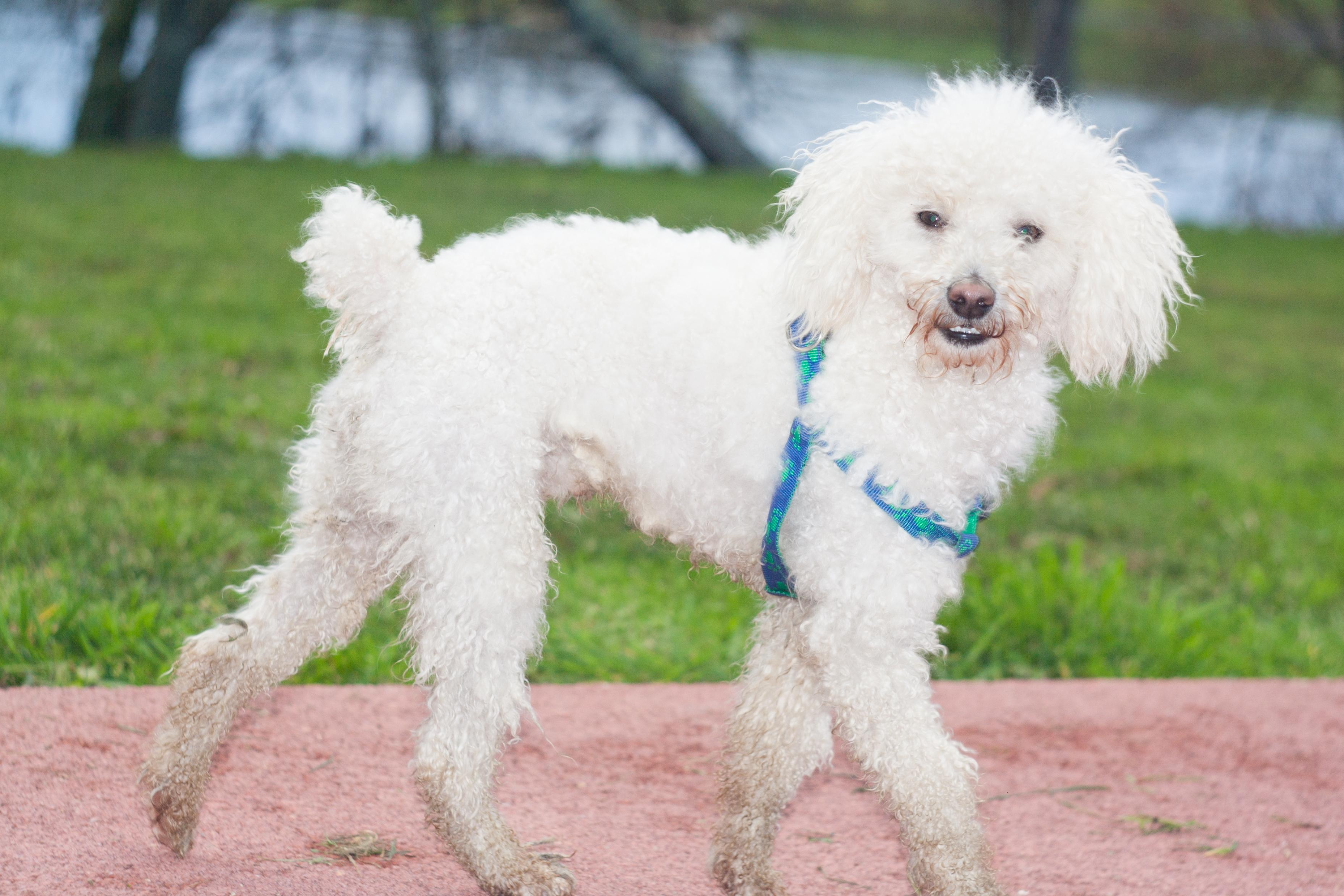
Poodle (Toy)
small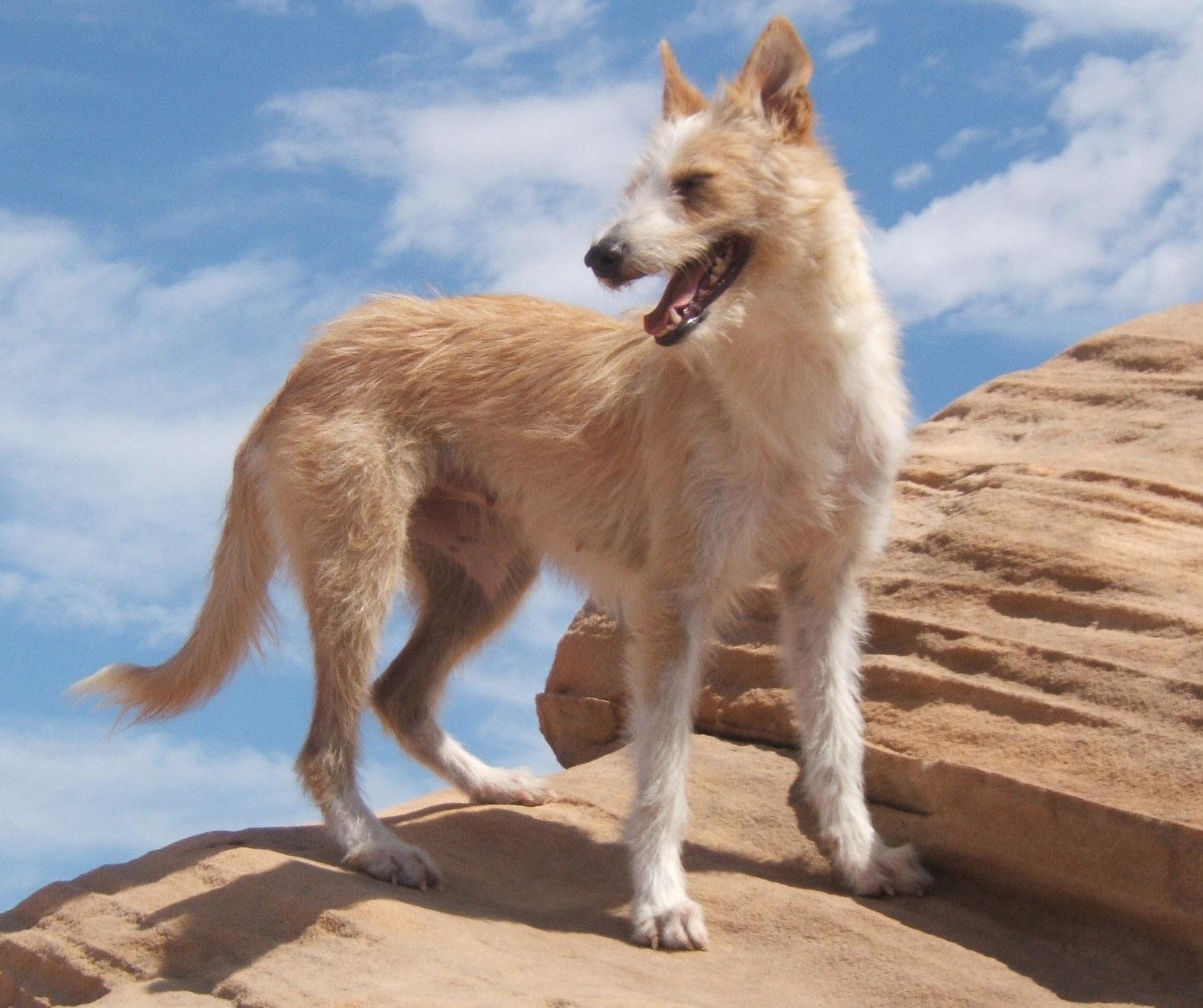
Portuguese Podengo
small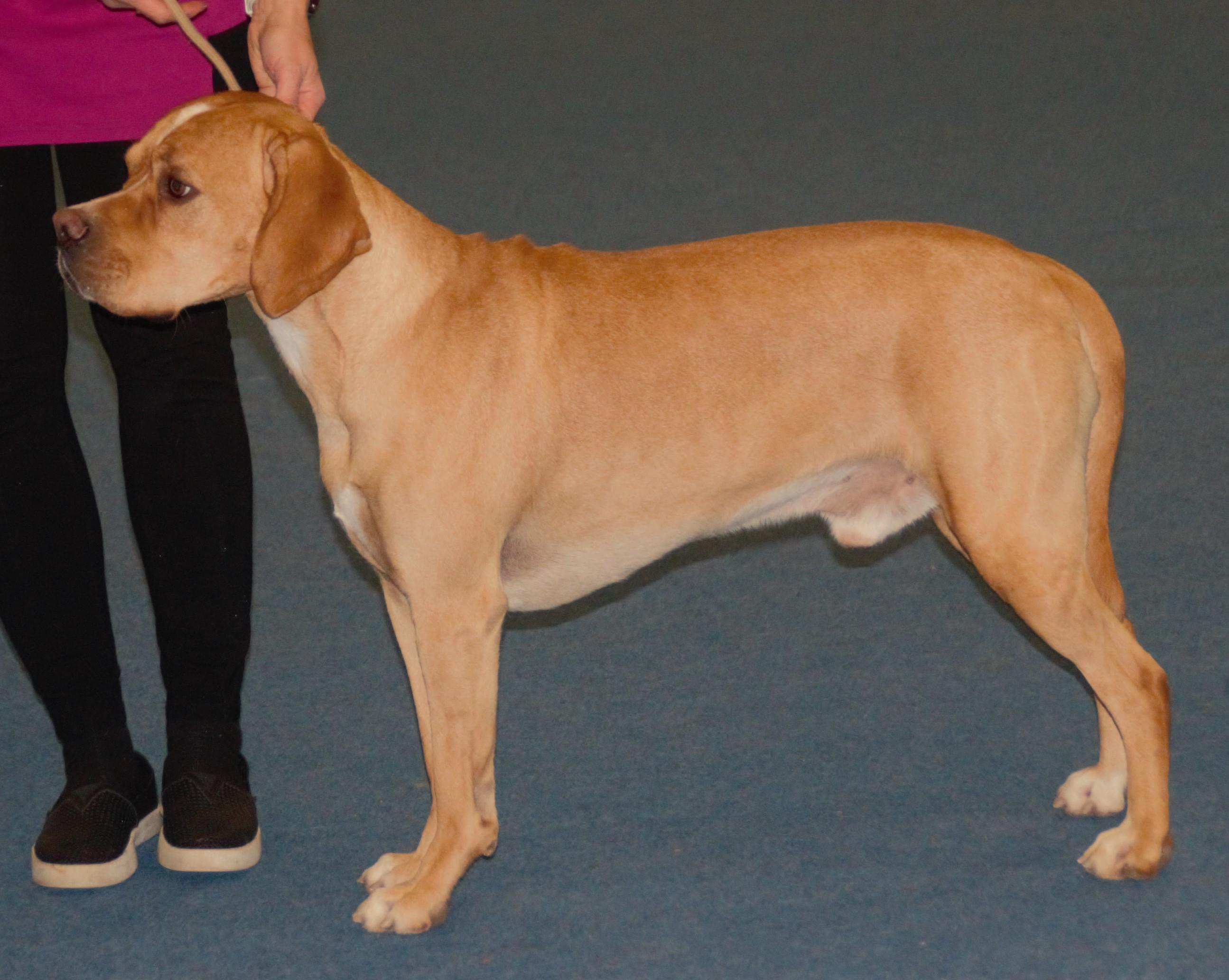
Portuguese Pointer
medium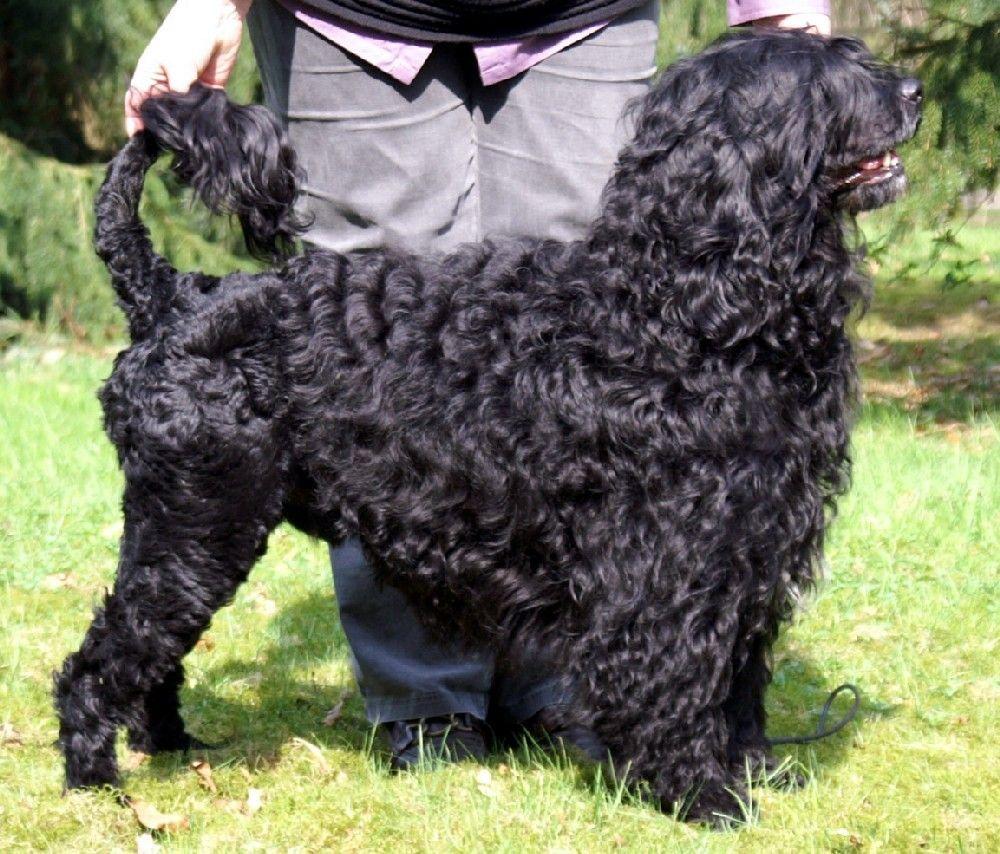
Portuguese Water Dog
medium
Pug
small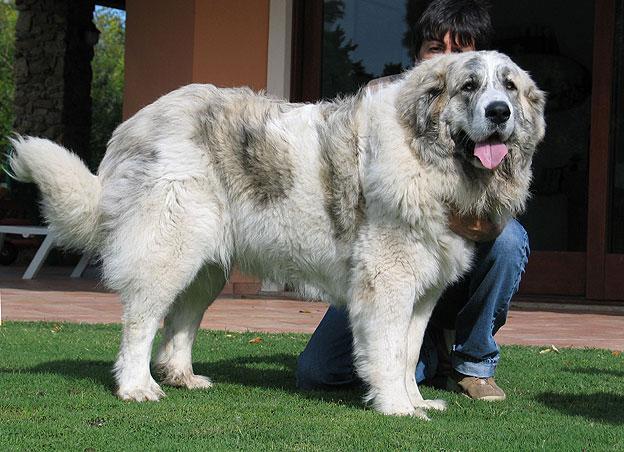
Pyrenean Mastiff
large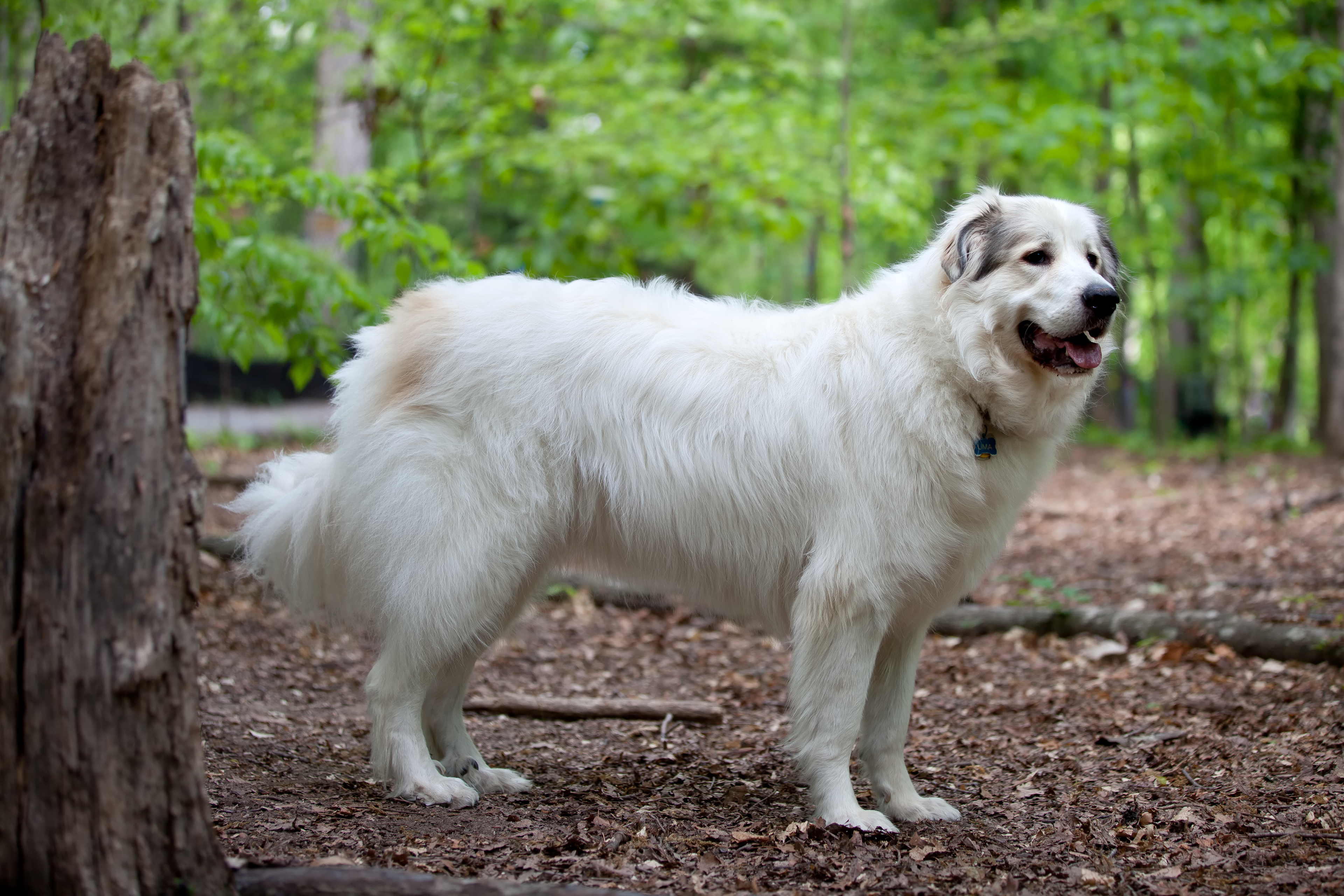
Pyrenean Mountain Dog
large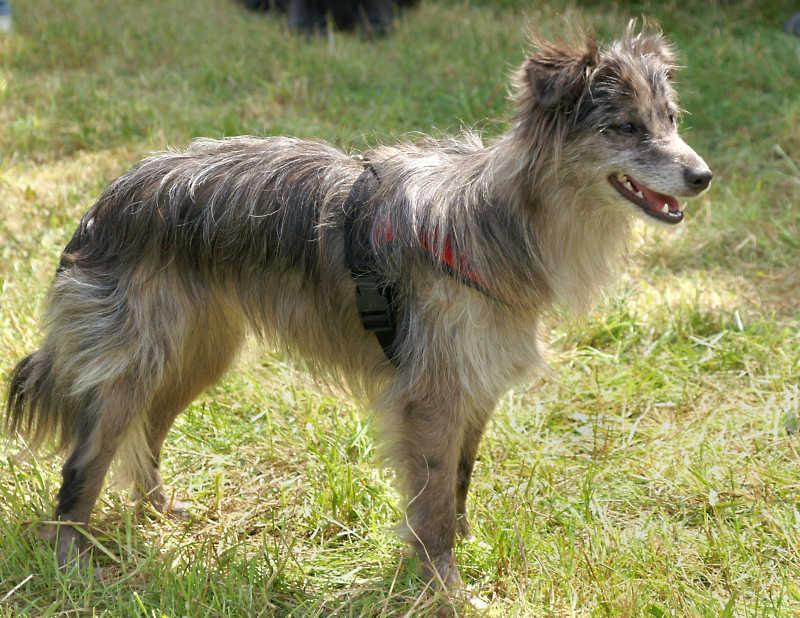
Pyrenean Sheepdog (Long Haired)
mediumPyrenean Sheepdog (Smooth Faced)
medium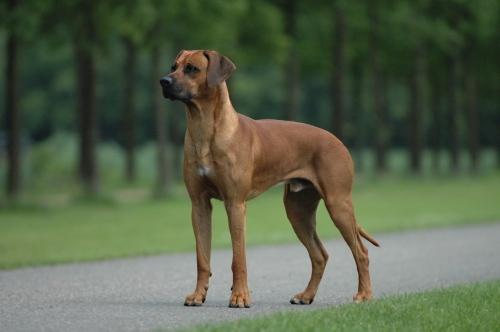
Rhodesian Ridgeback
large
Rottweiler
large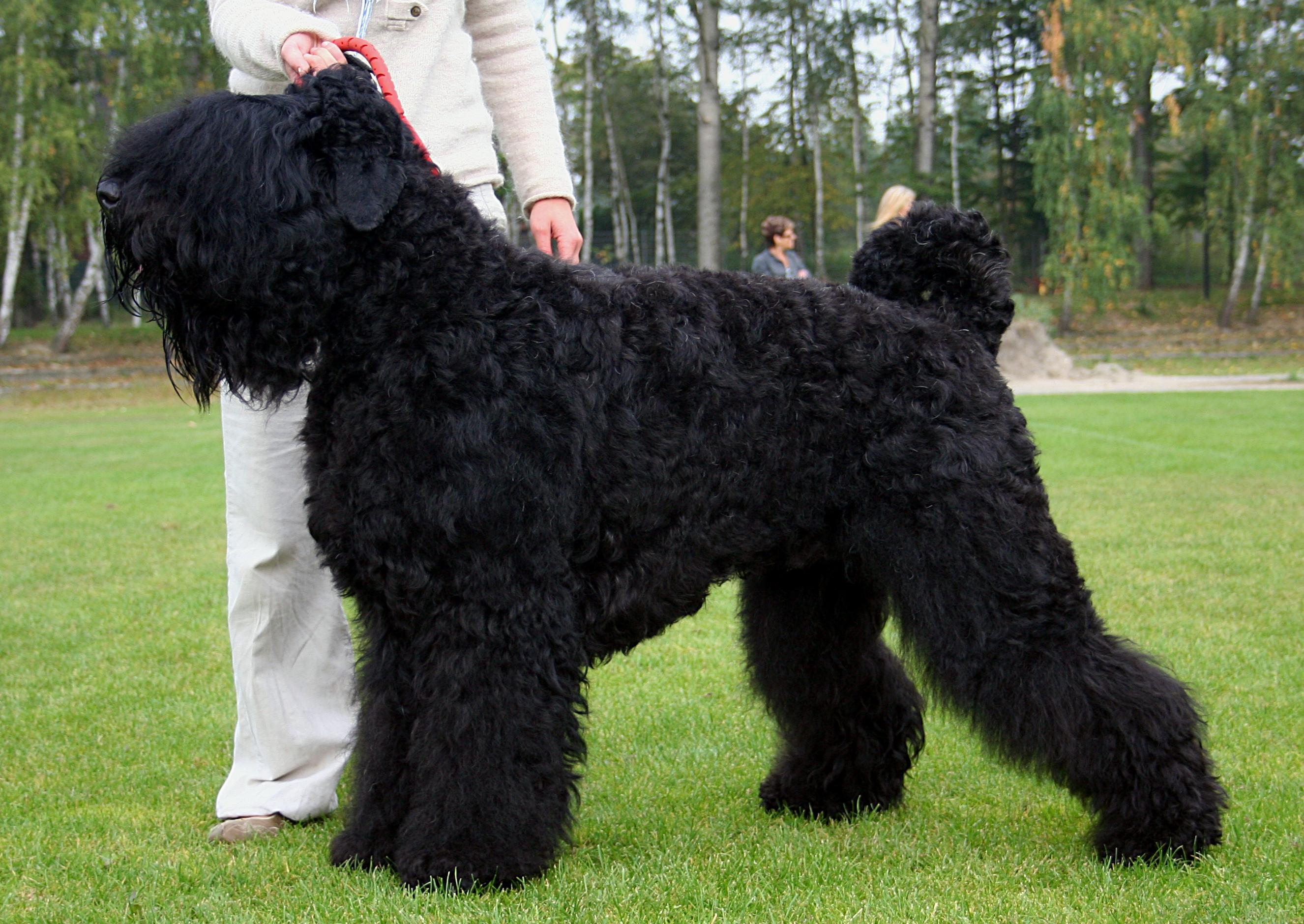
Russian Black Terrier
large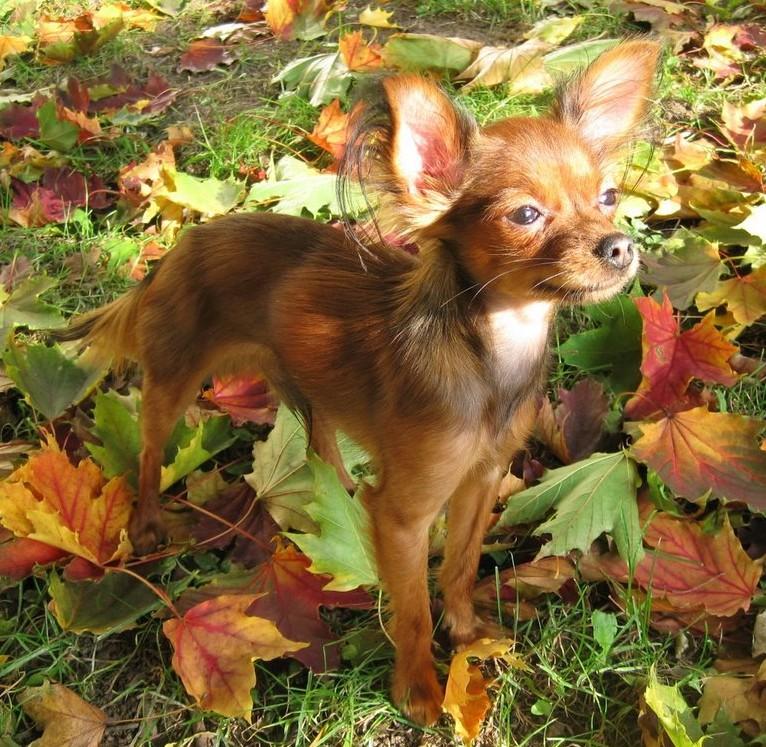
Russian Toy
small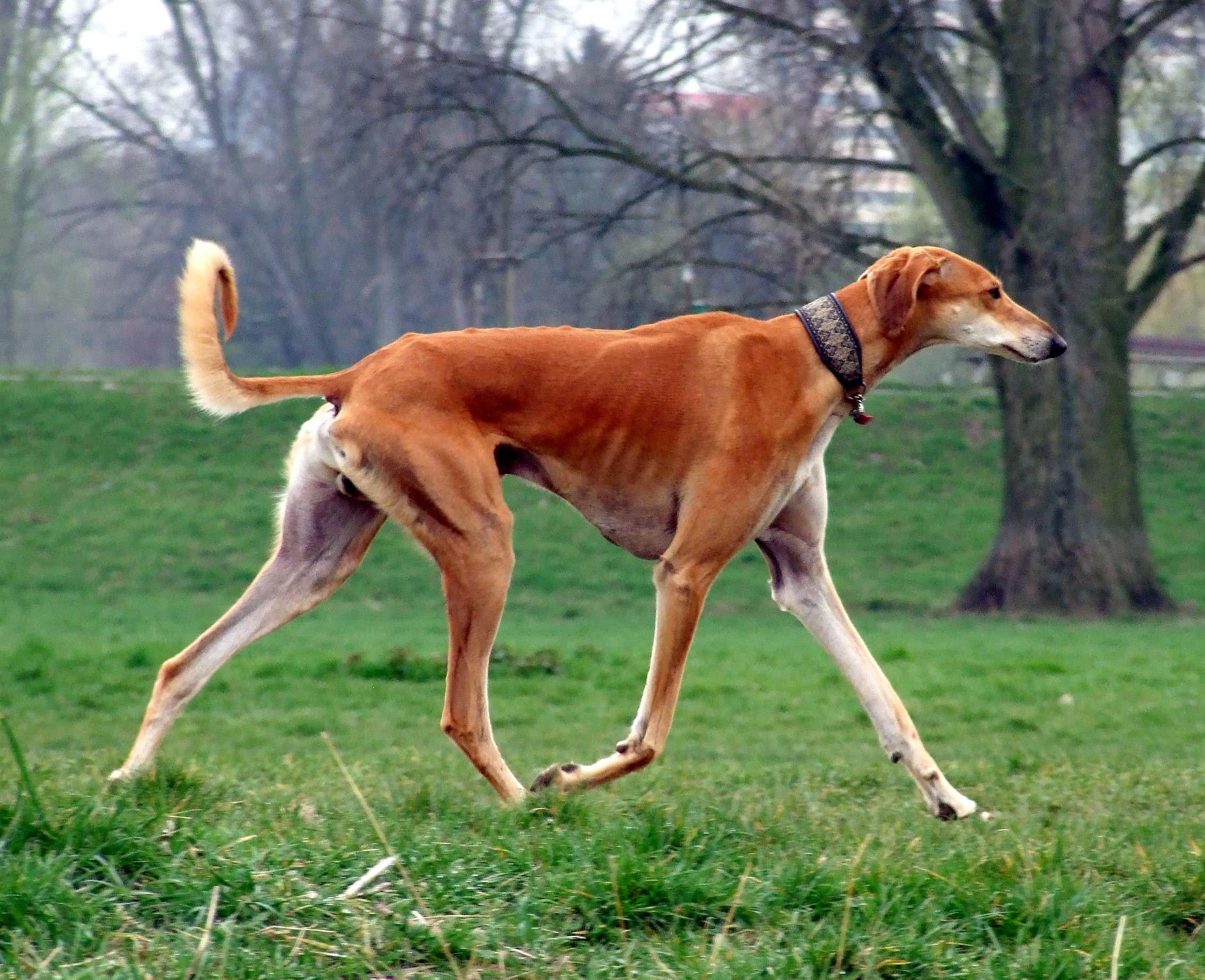
Saluki
large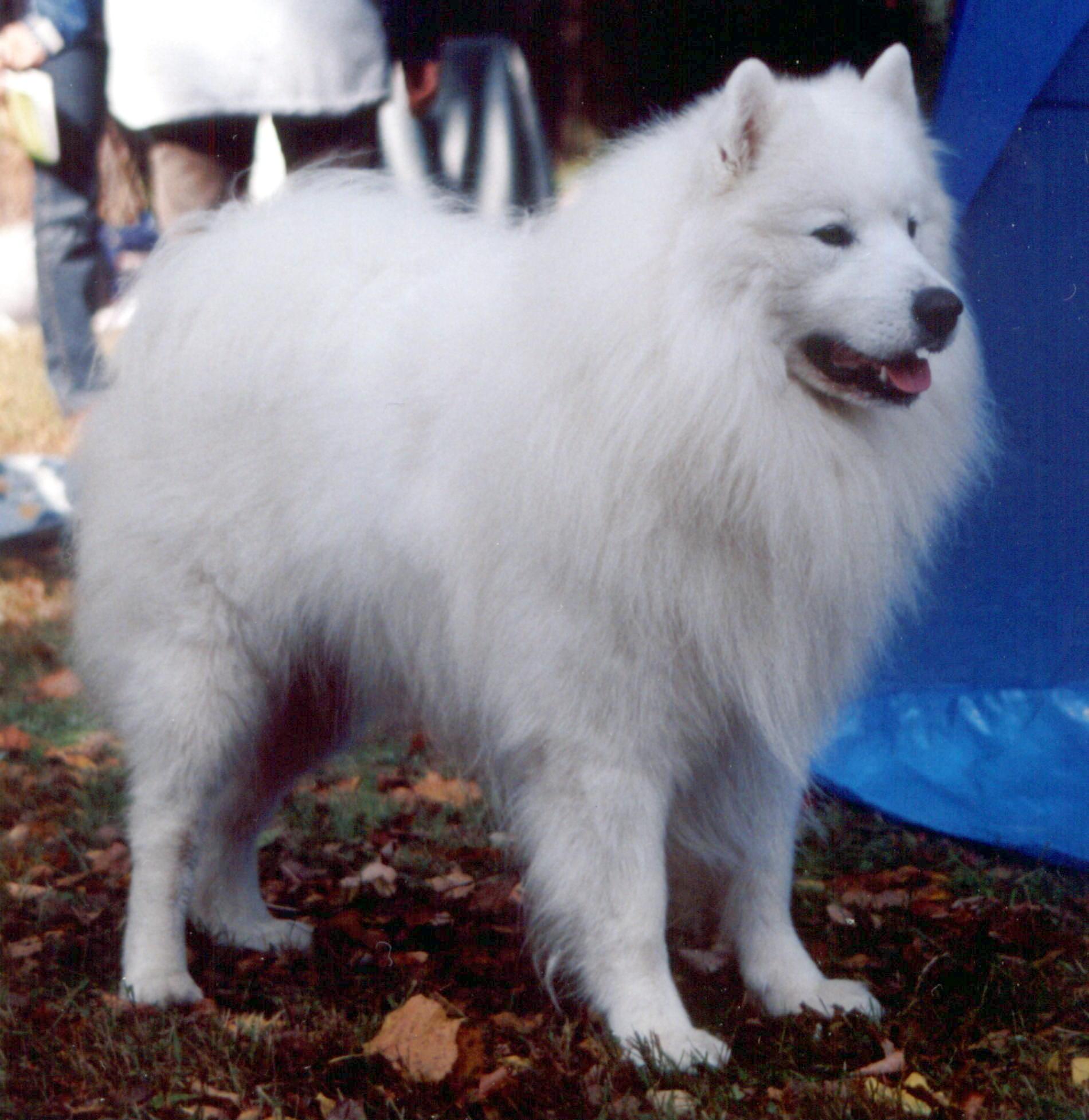
Samoyed
large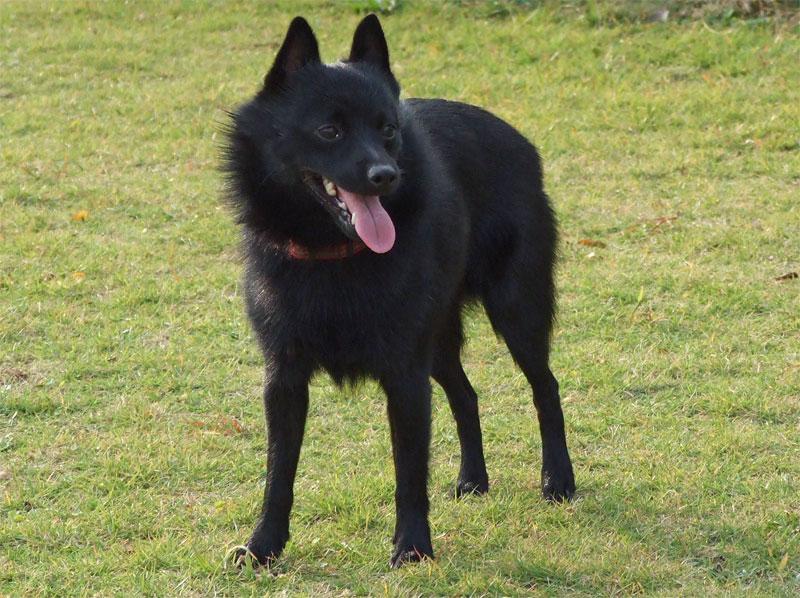
Schipperke
small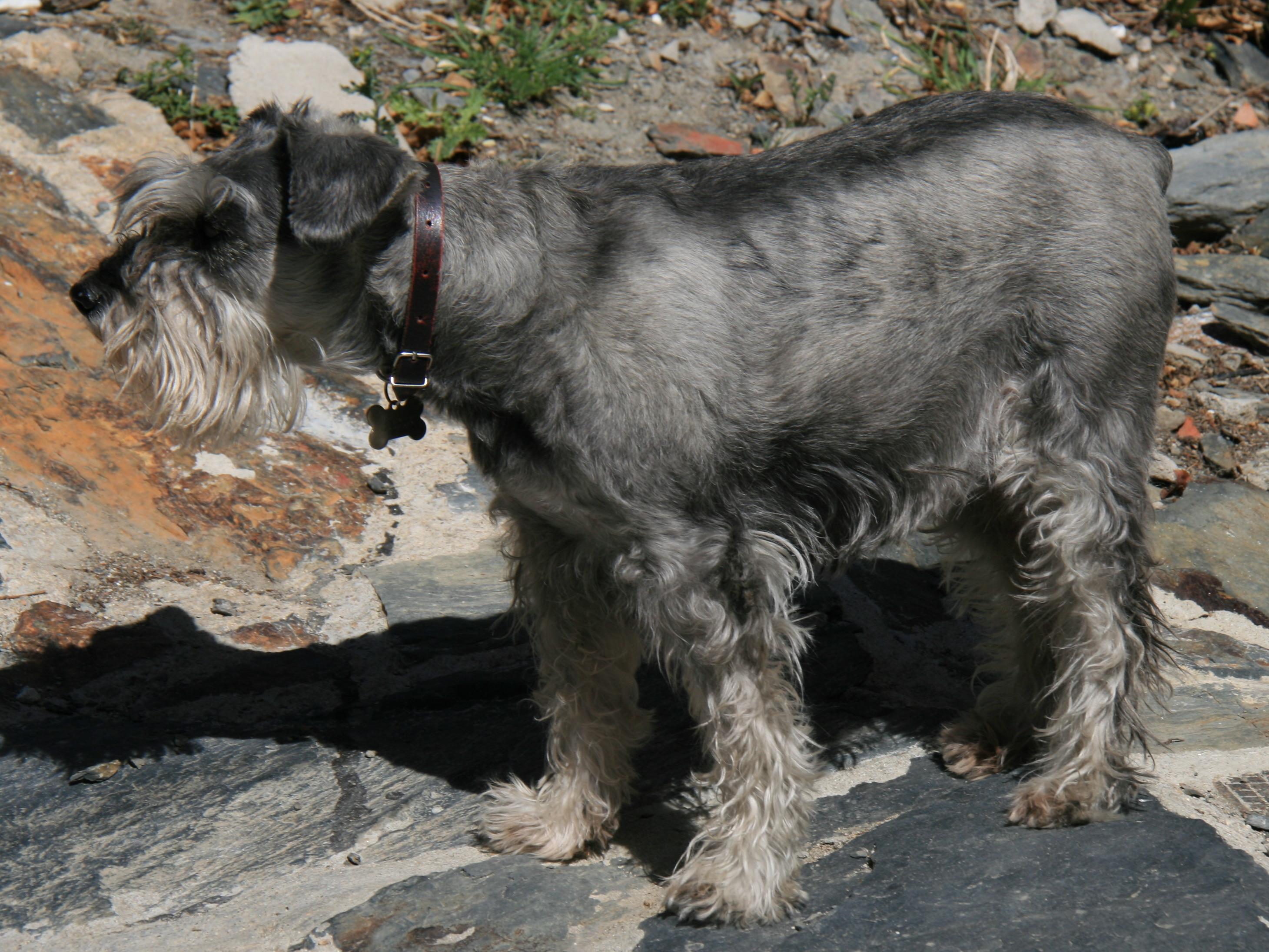
Schnauzer
medium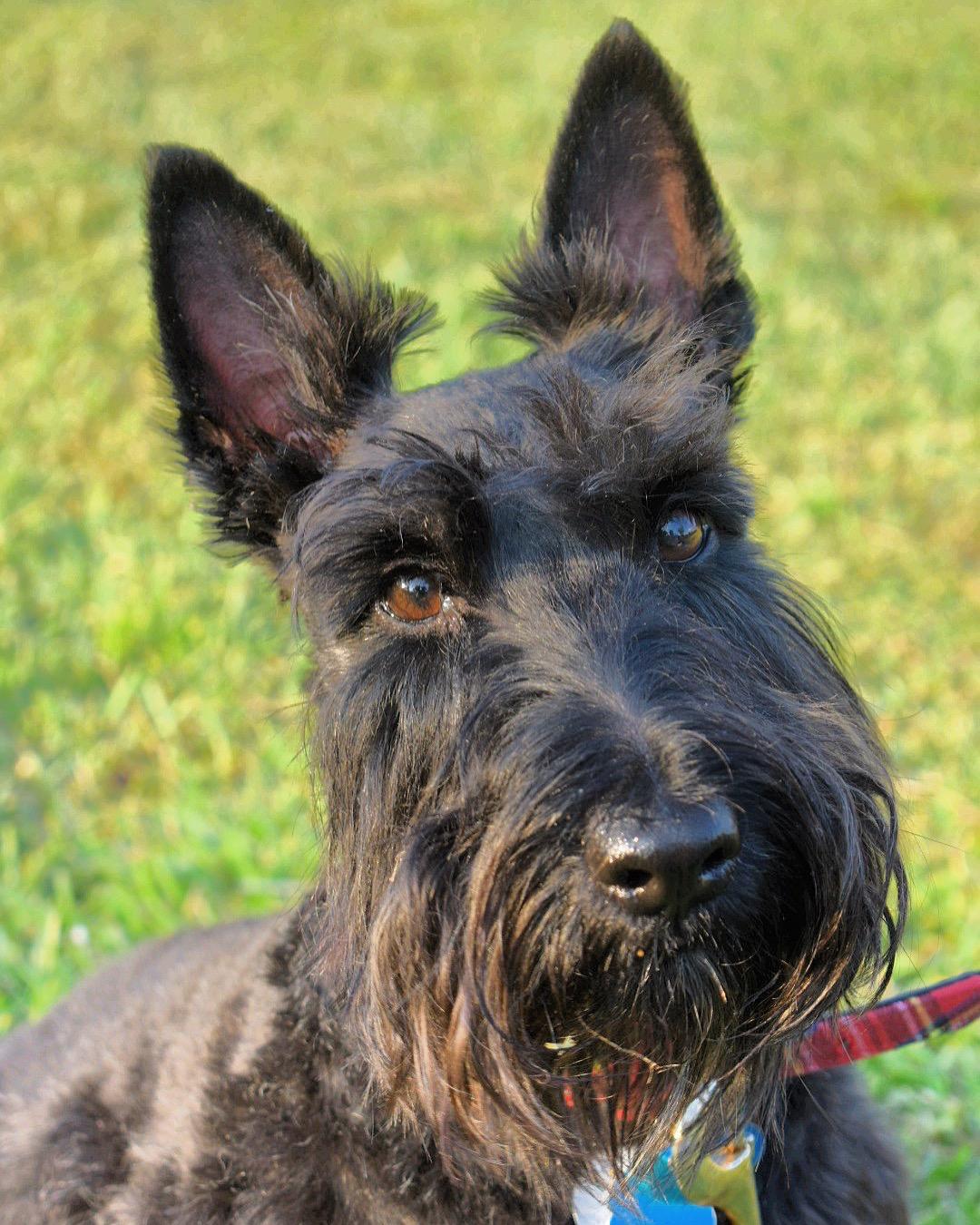
Scottish Terrier
small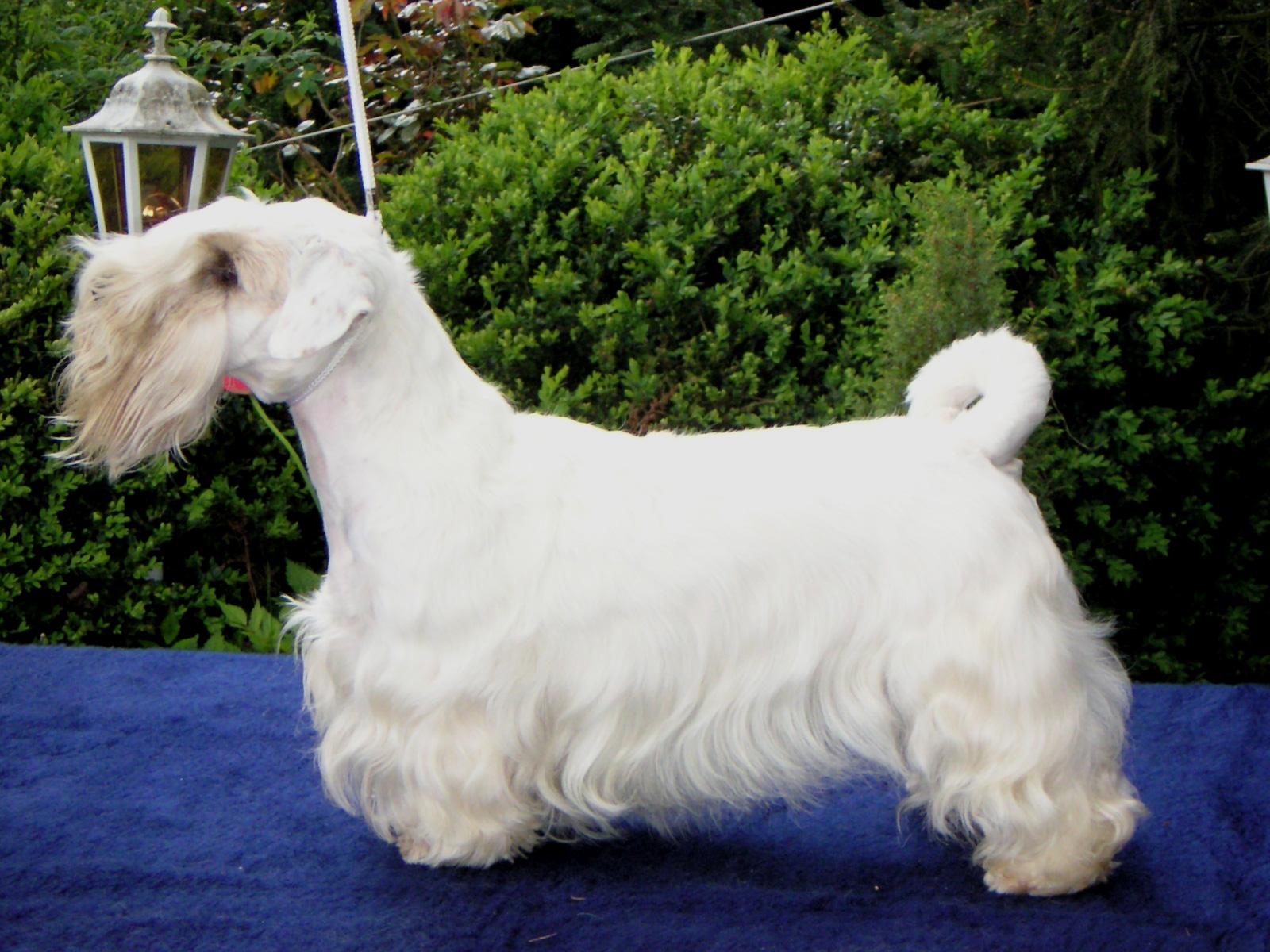
Sealyham Terrier
small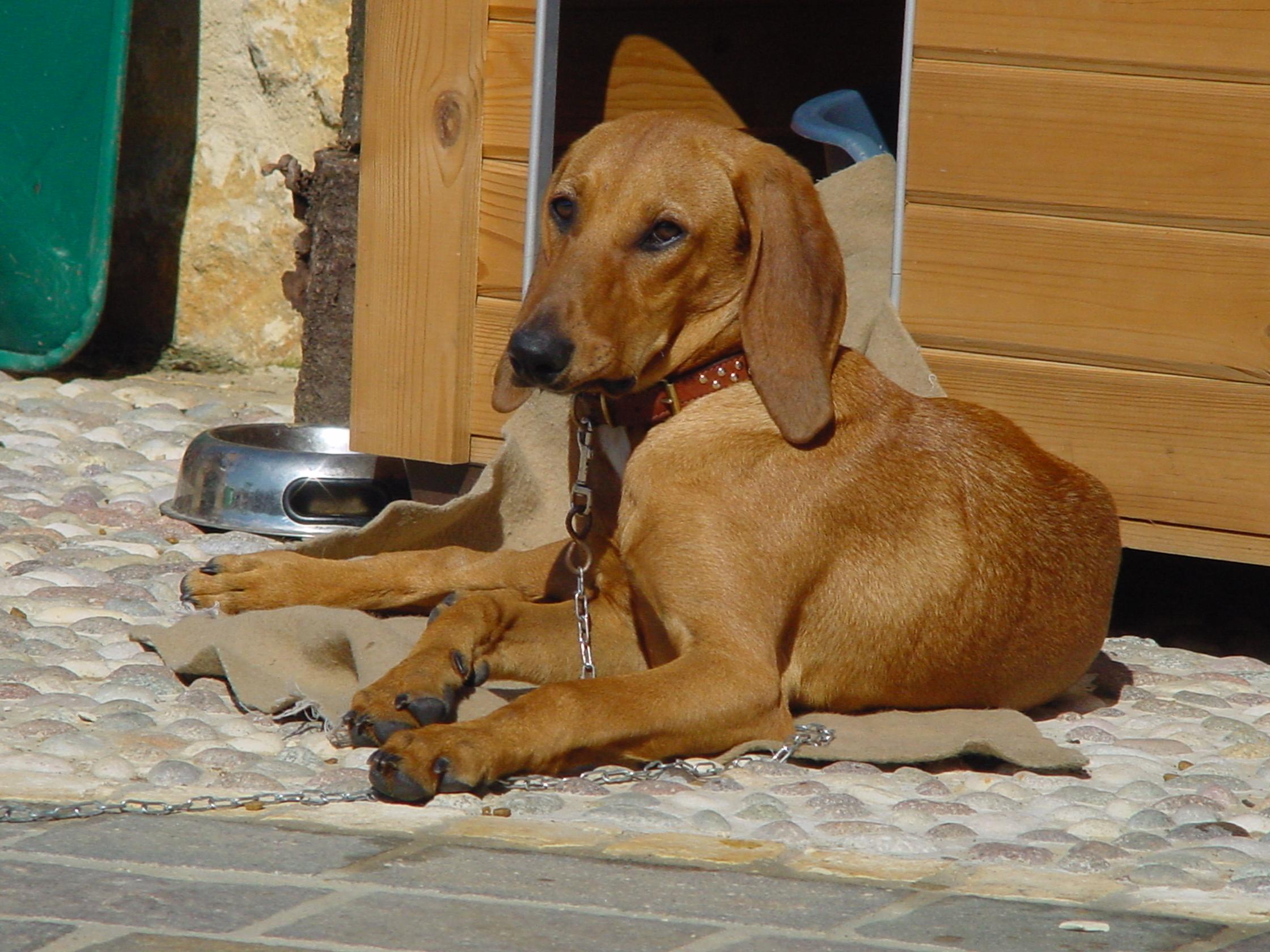
Segugio Italiano
medium
Shar Pei
medium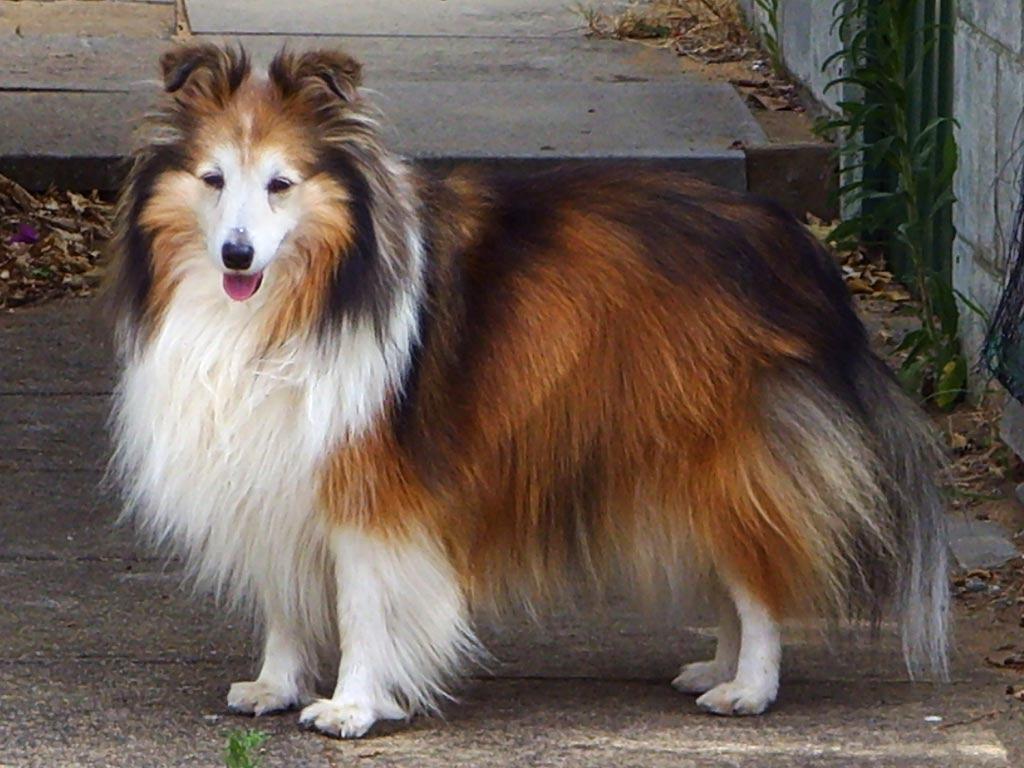
Shetland Sheepdog
small
Shih Tzu
small
Siberian Husky
large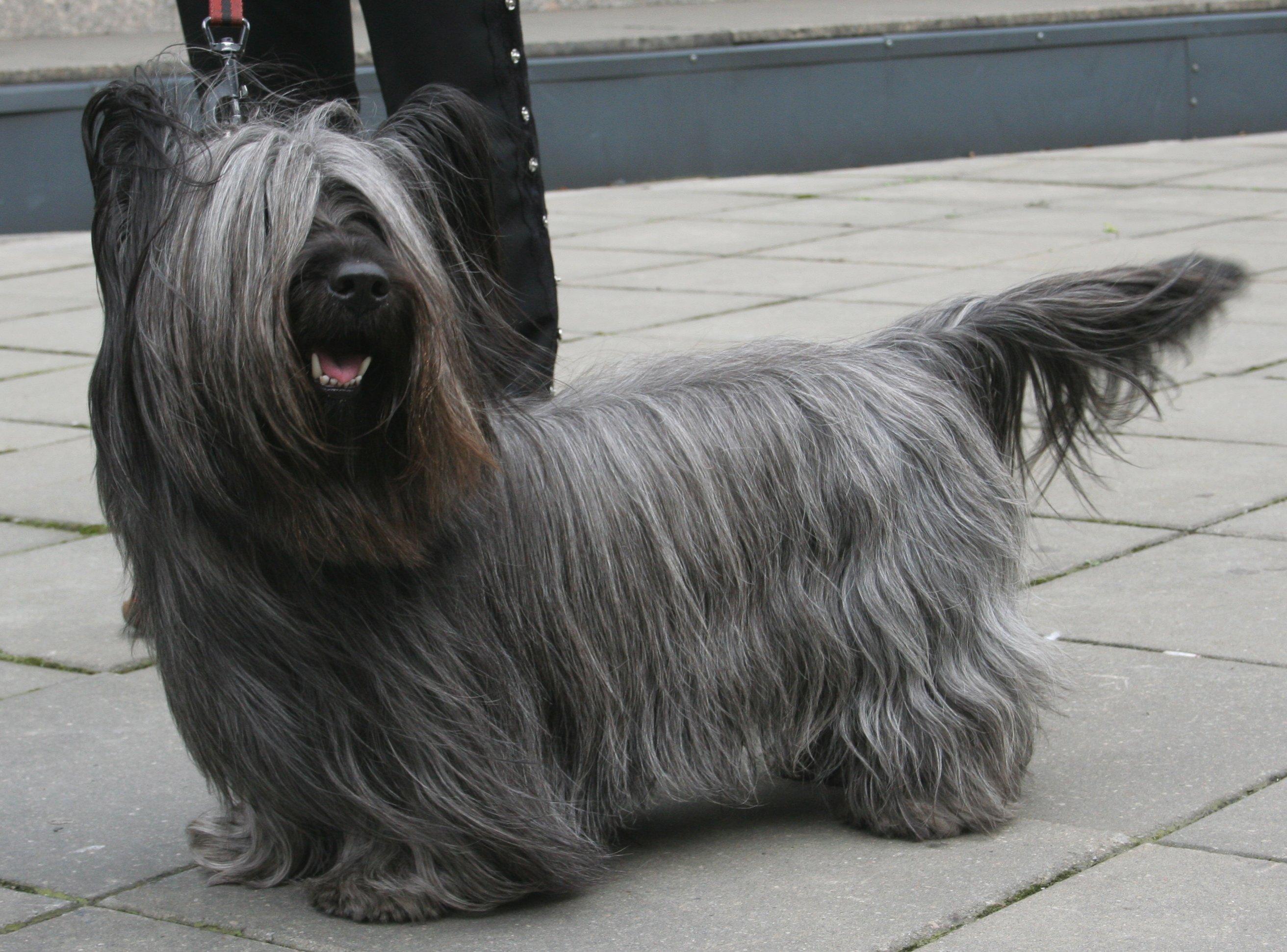
Skye Terrier
small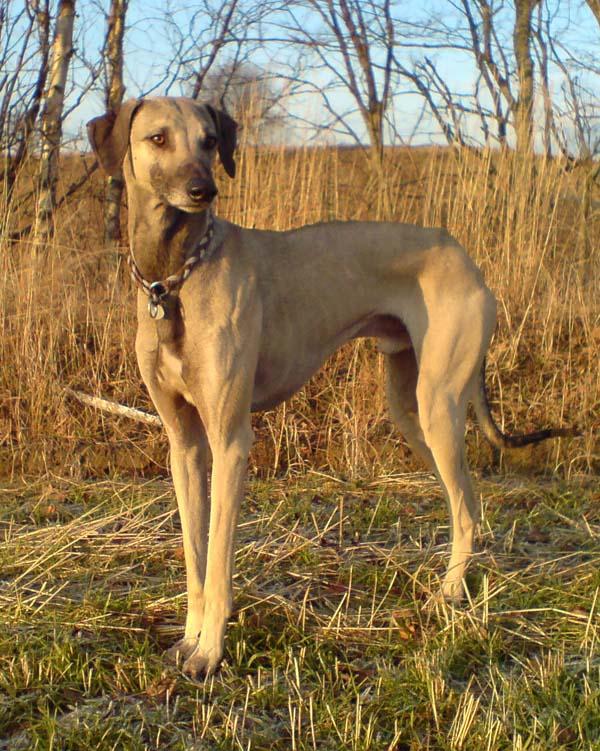
Sloughi
large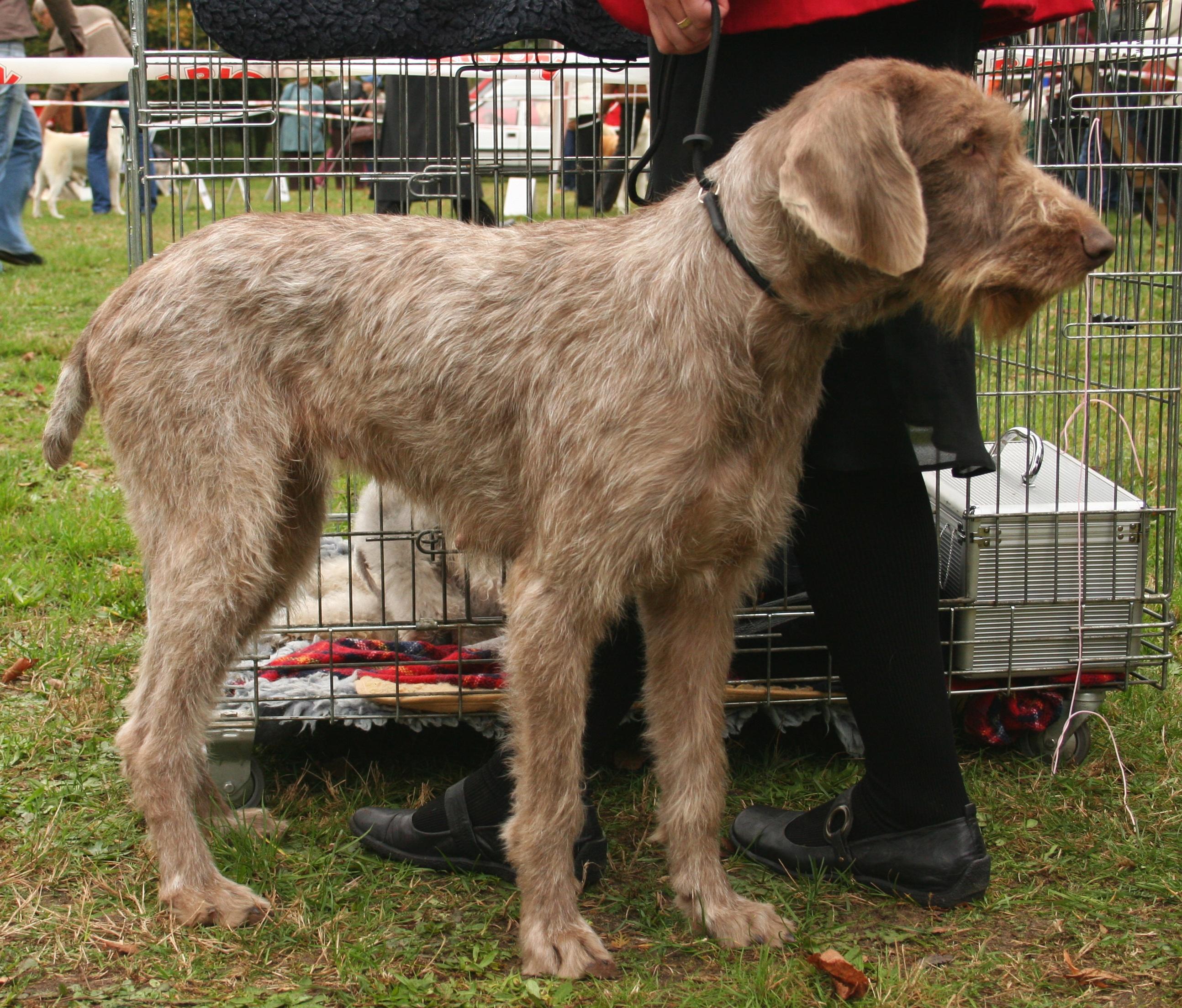
Slovakian Rough Haired Pointer
large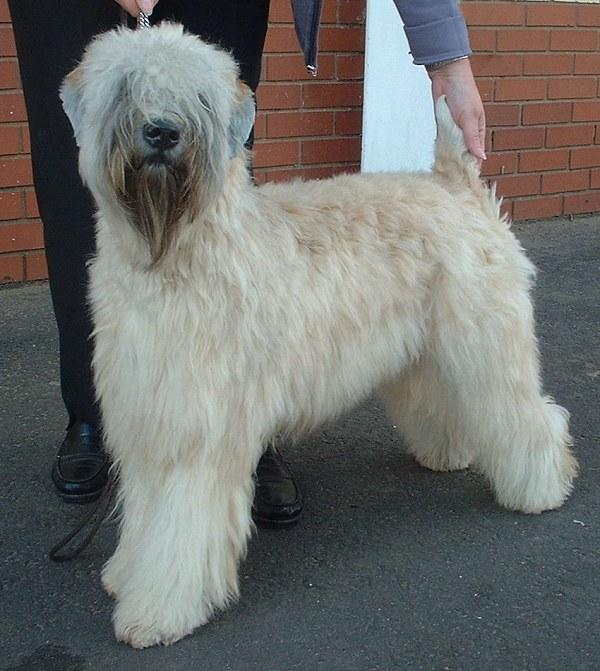
Soft Coated Wheaten Terrier
medium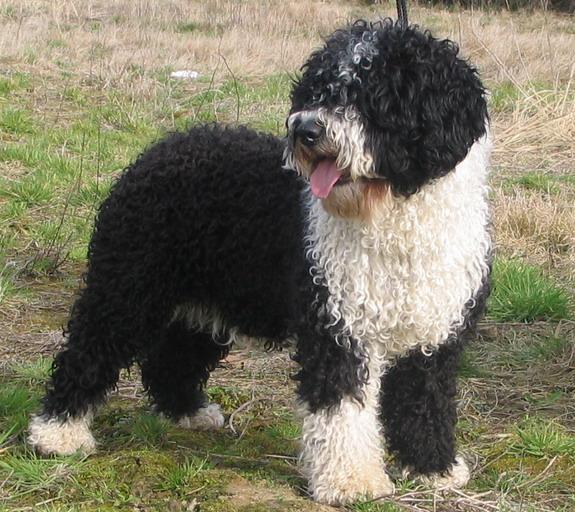
Spanish Water Dog
medium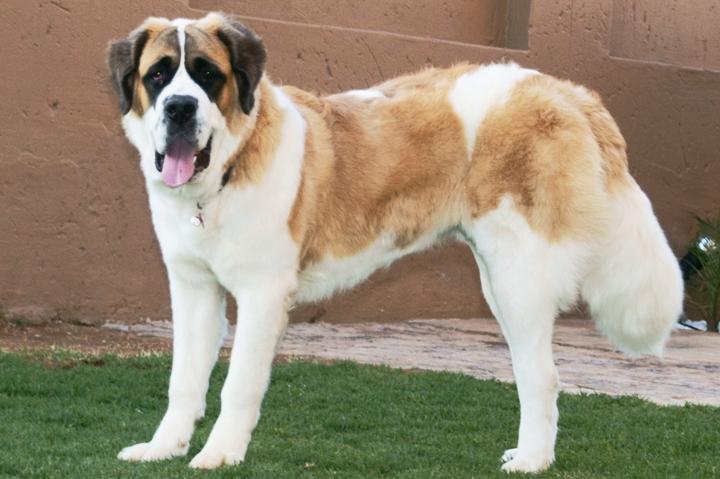
St. Bernard
large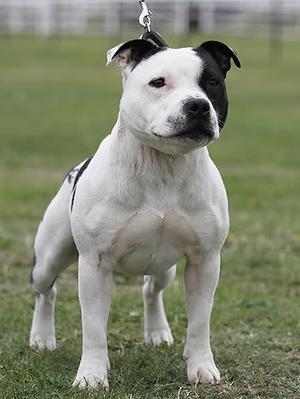
Staffordshire Bull Terrier
medium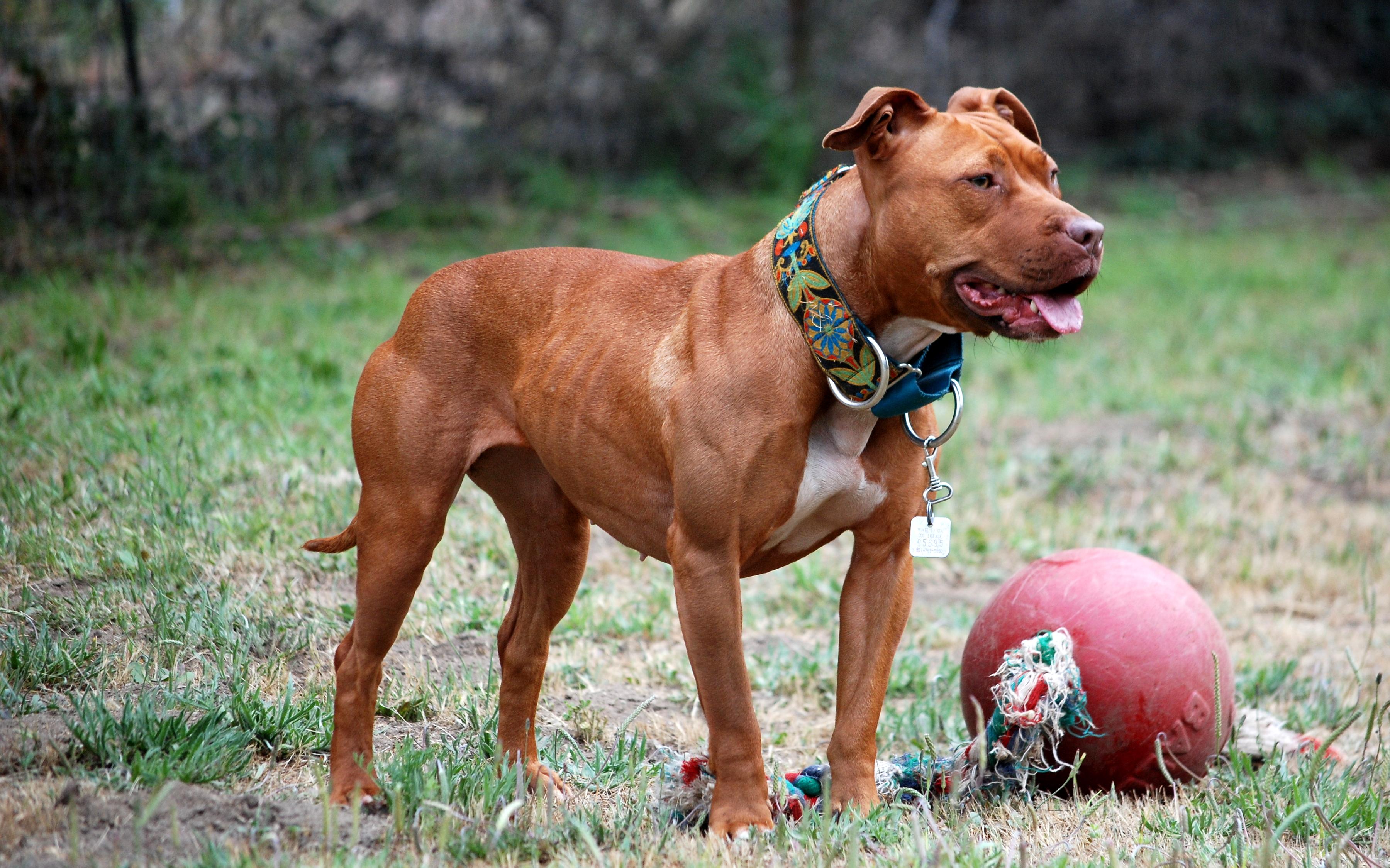
Pitbull
medium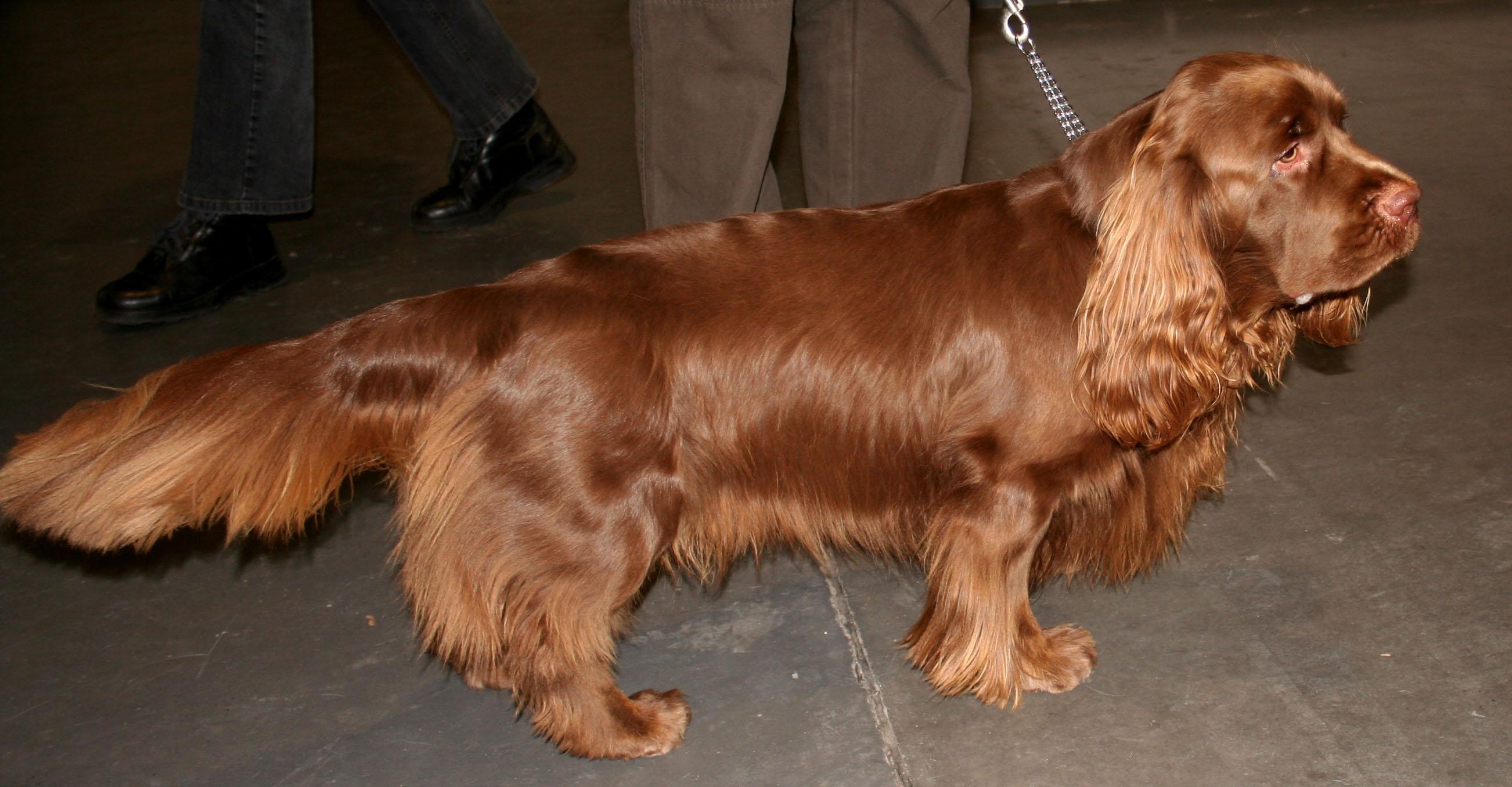
Sussex Spaniel
medium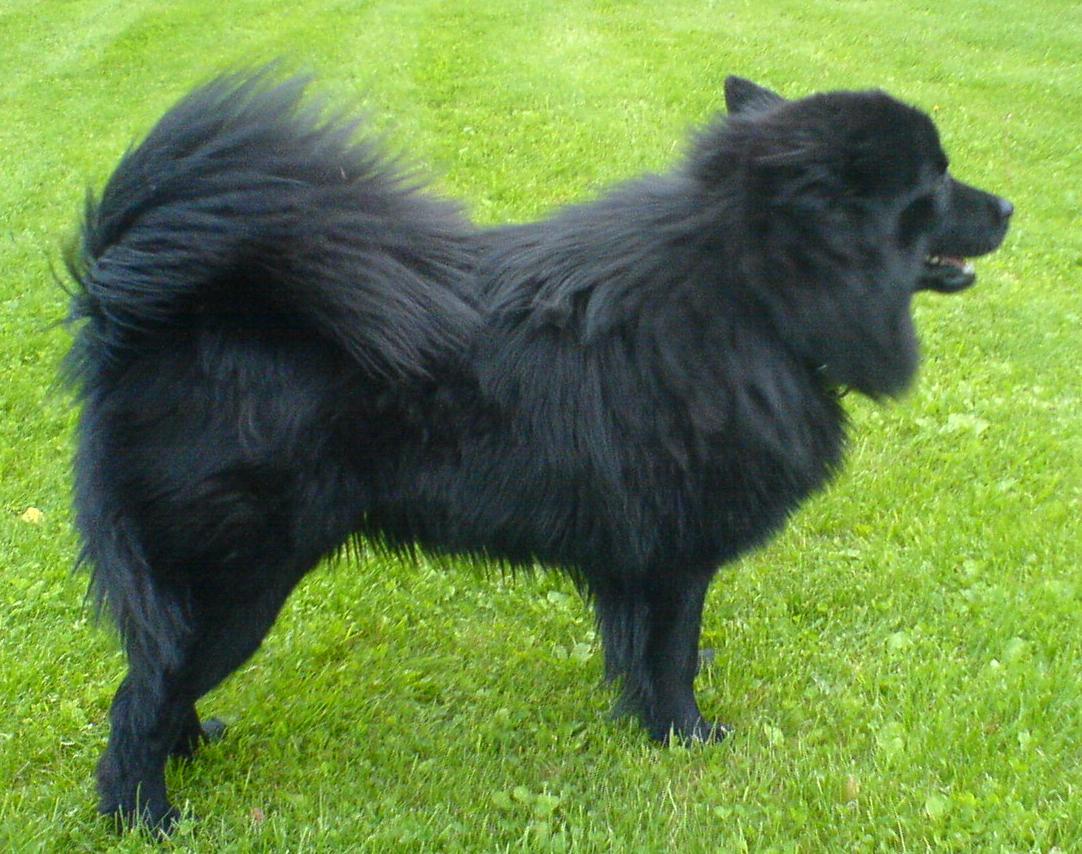
Swedish Lapphund
medium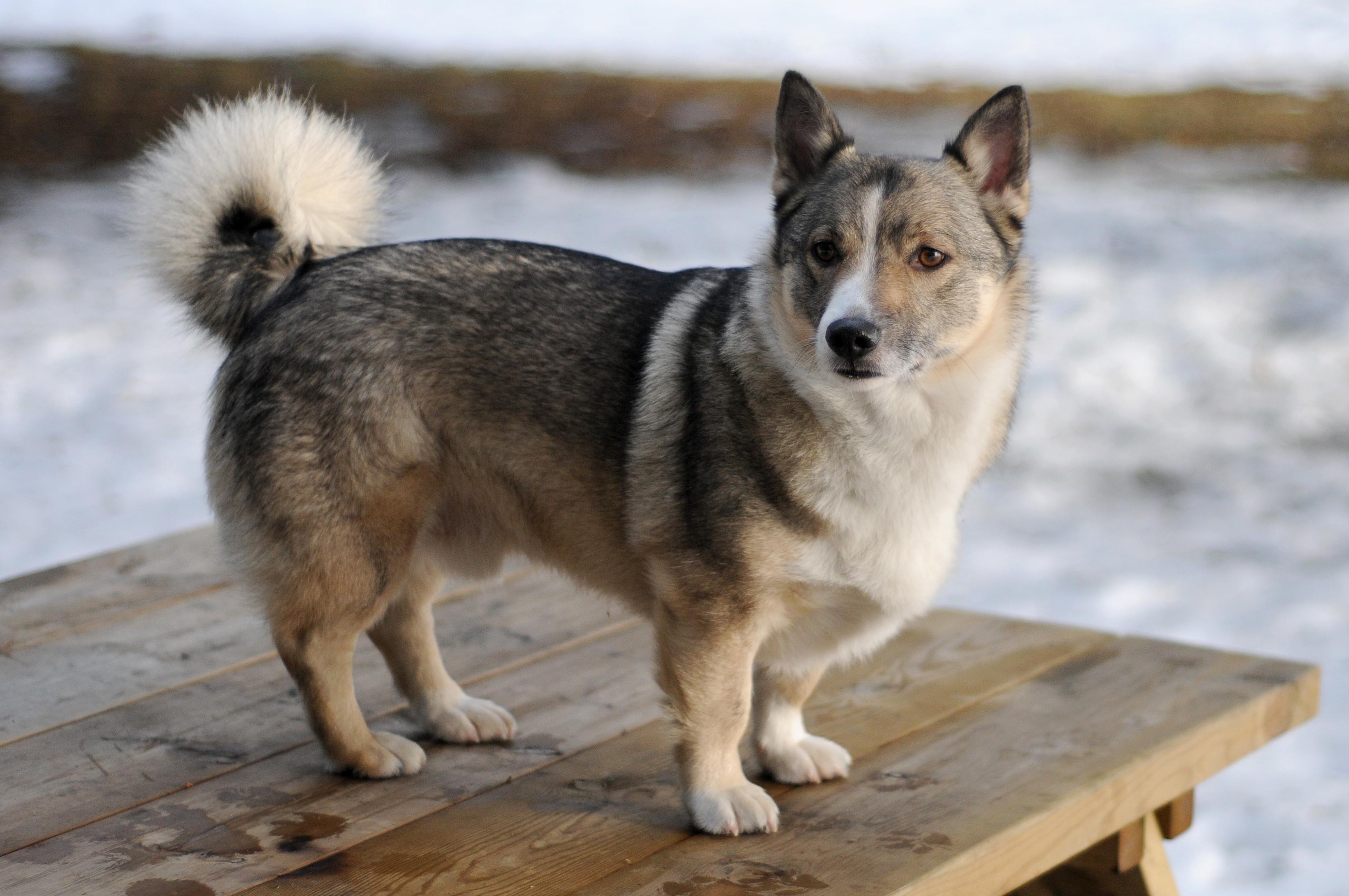
Swedish Vallhund
small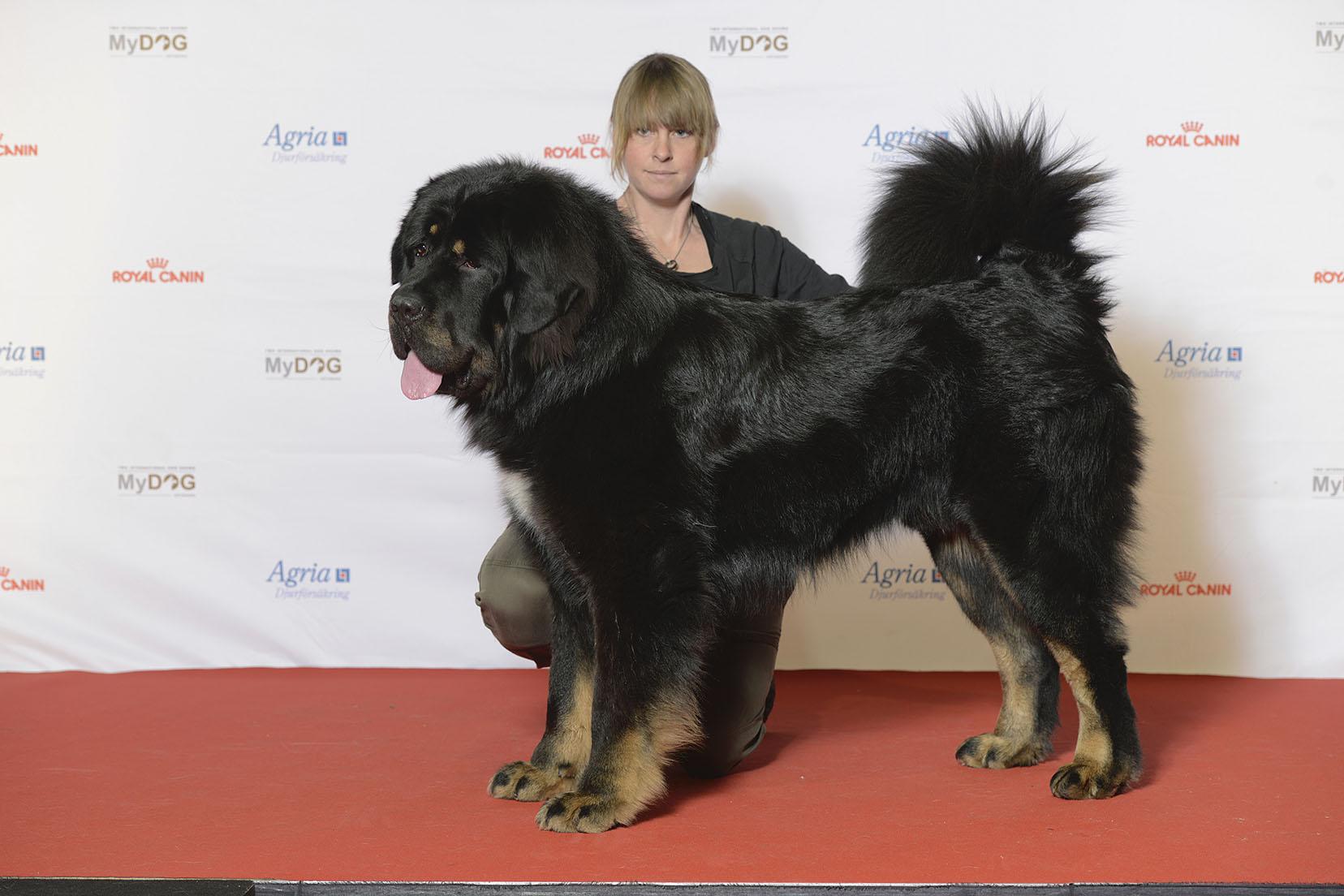
Tibetan Mastiff
large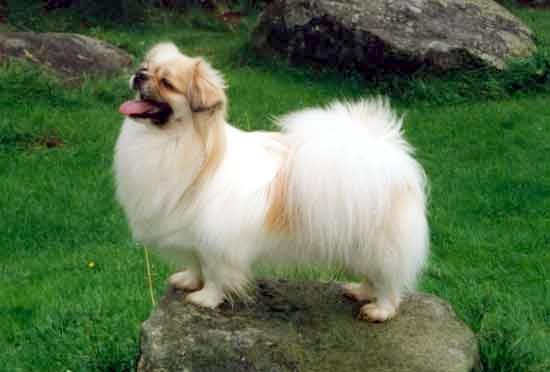
Tibetan Spaniel
small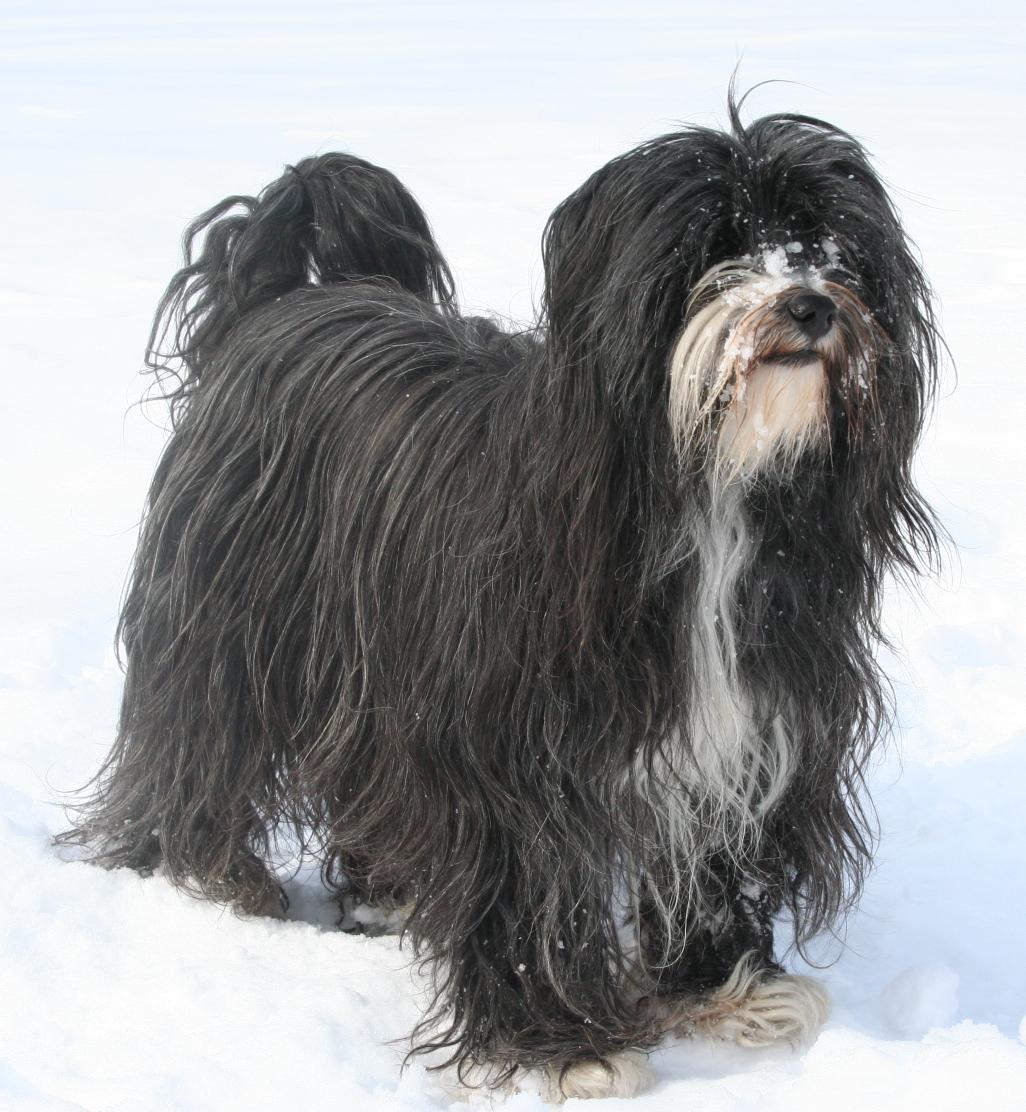
Tibetan Terrier
medium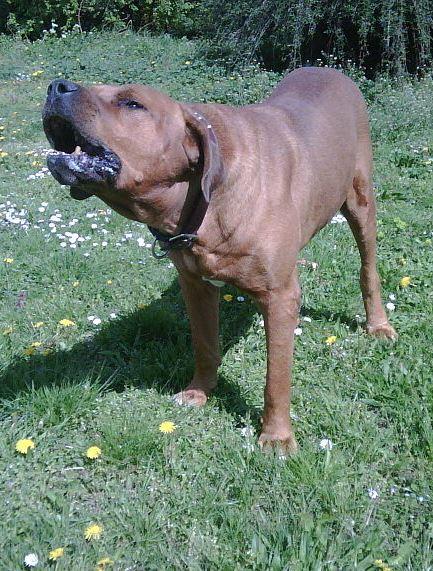
Tosa
large
Weimaraner
large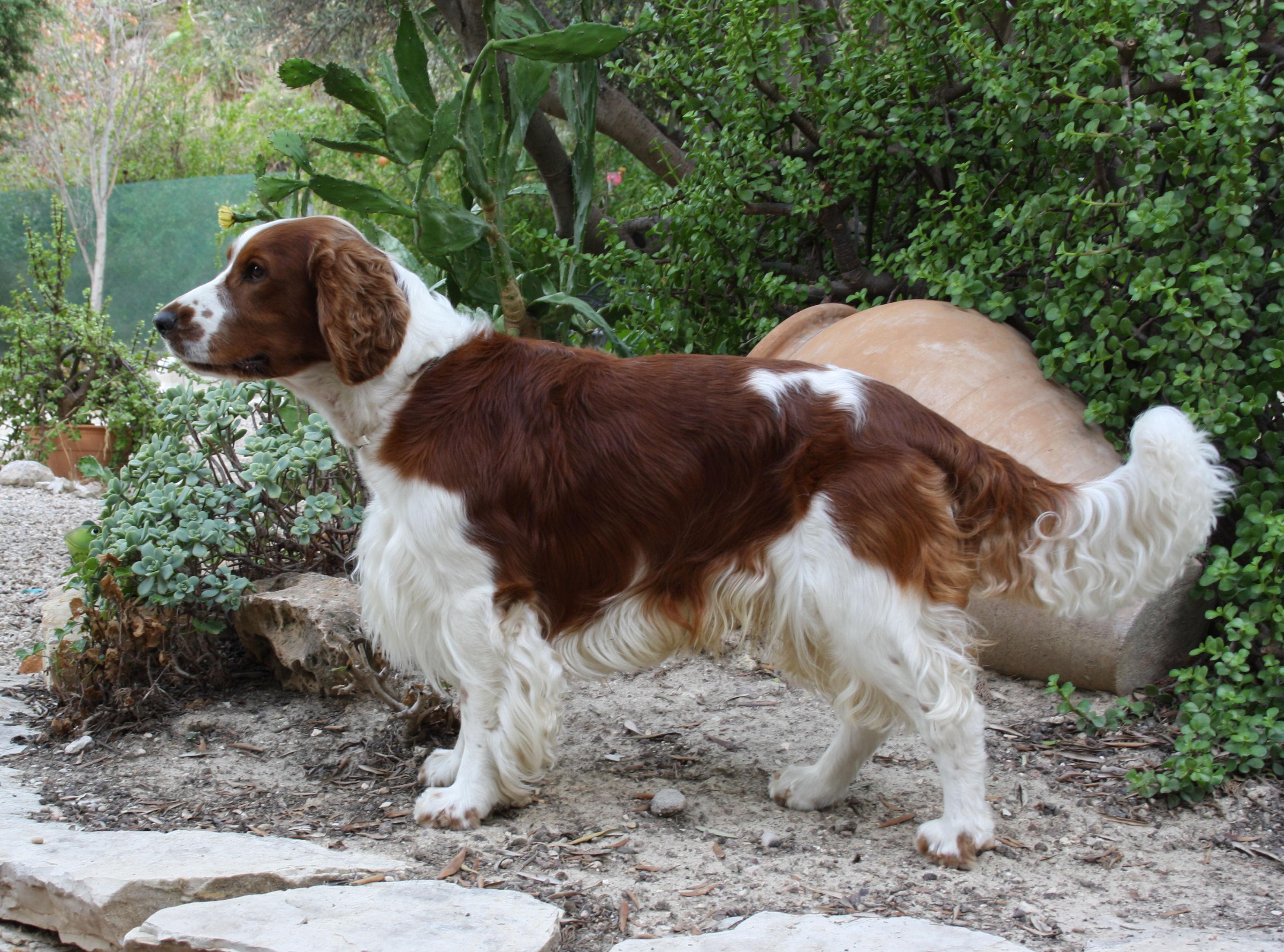
Welsh Springer Spaniel
medium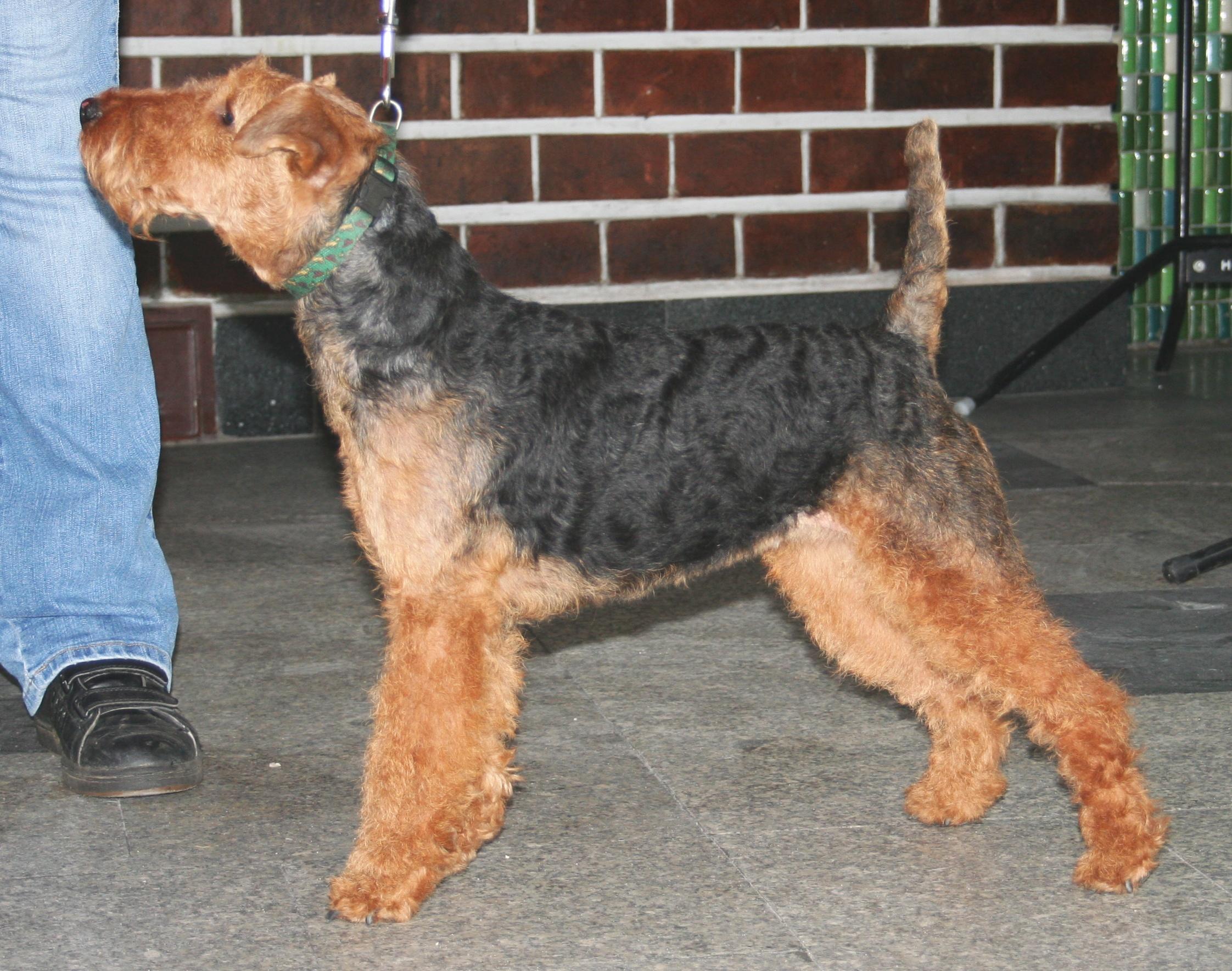
Welsh Terrier
medium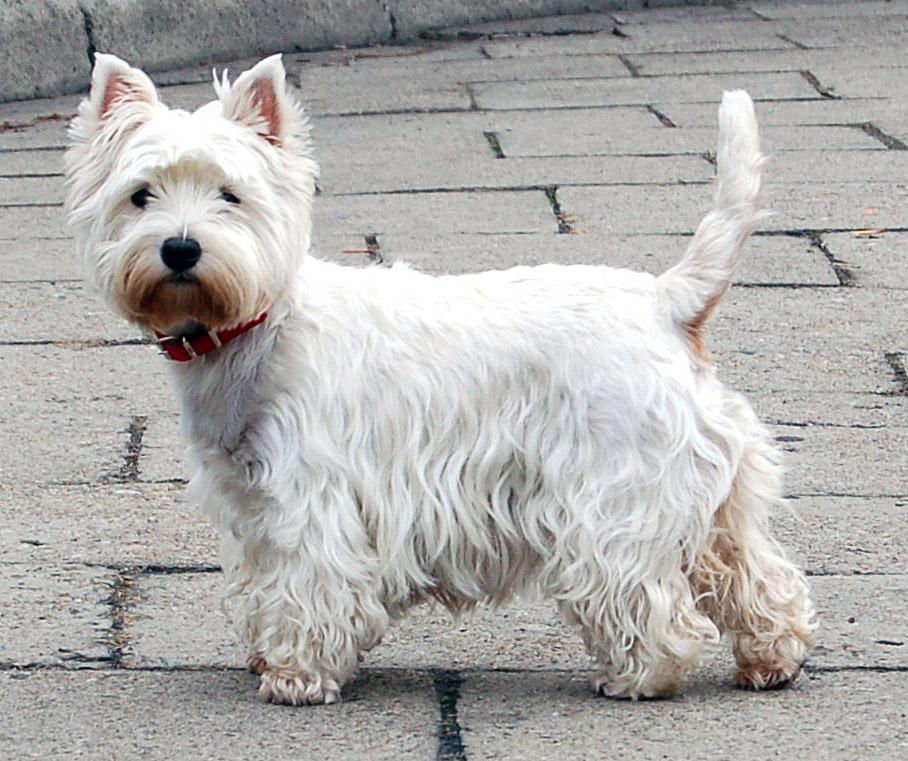
West Highland White Terrier
small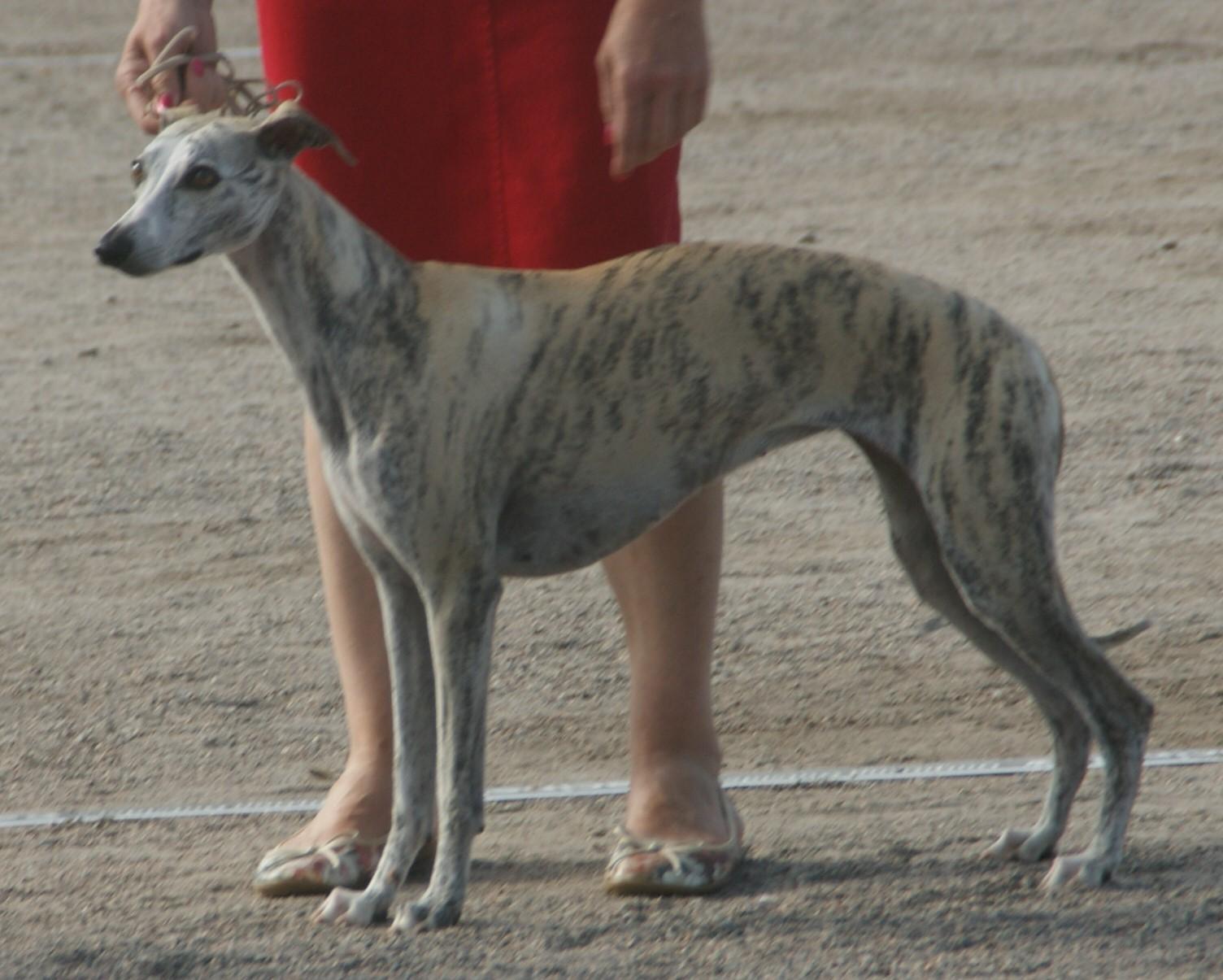
Whippet
medium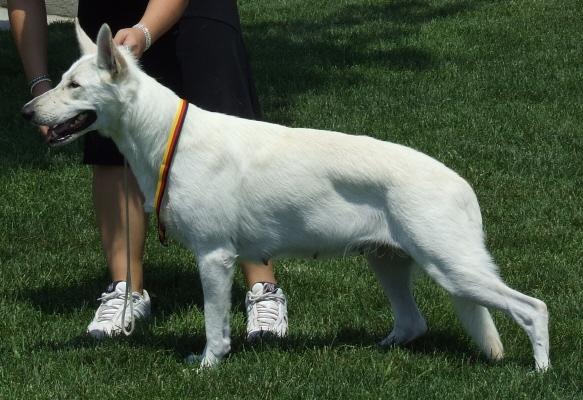
White Swiss Shepherd Dog
large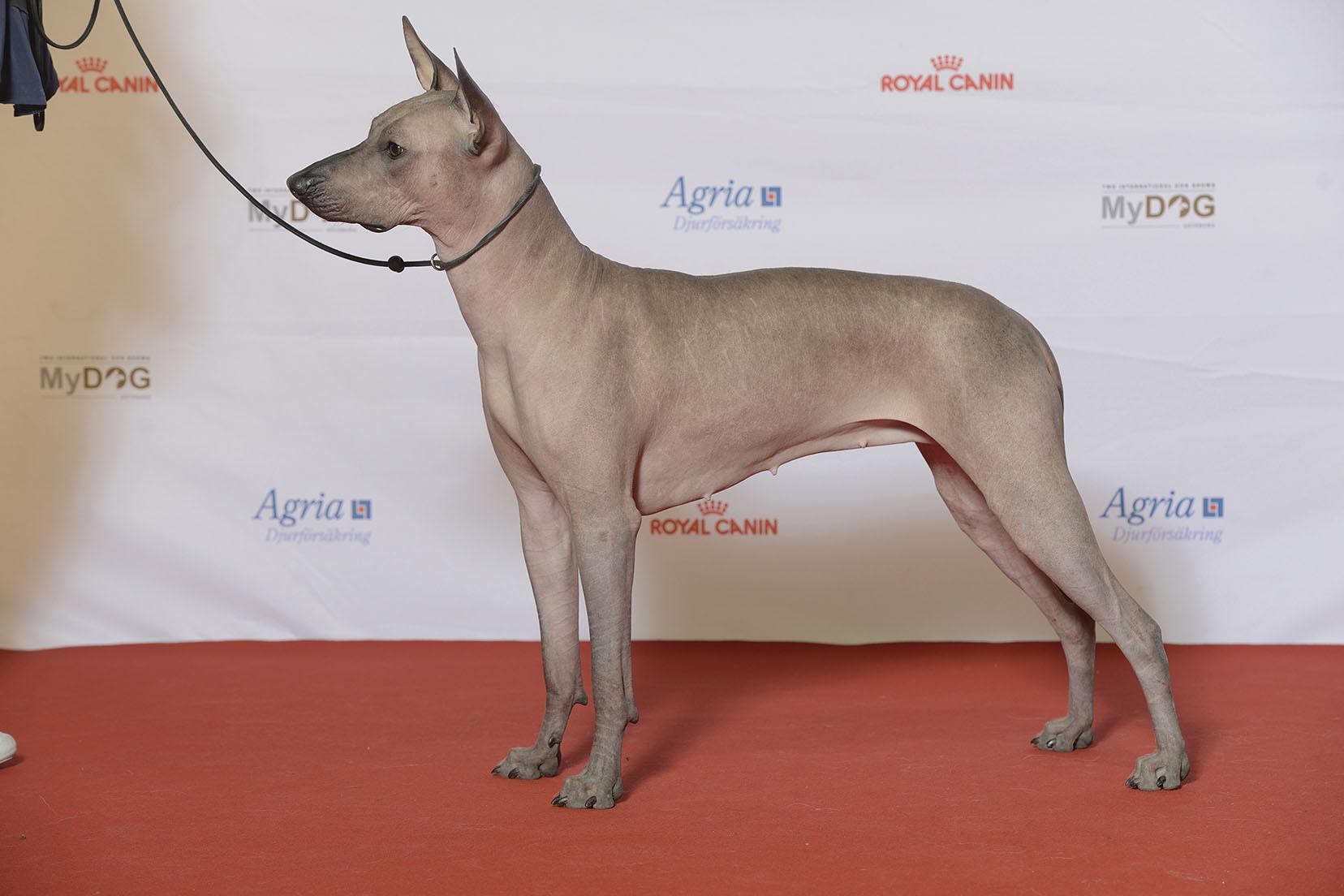
Xoloitzcuintle (Mexican Hairless)
medium
Yorkshire Terrier
smallMixed Breed (Dog)
mediumUnderstanding Breed Cost Estimates
Every breed card above shows two key numbers: the estimated first-year cost and the estimated annual cost for subsequent years. The first year is always higher because it includes one-time expenses like the purchase or adoption fee, initial vaccinations, spay or neuter surgery, and all the starter gear — crate, bed, bowls, leash, collar, and identification tags. After that, annual costs settle into a more predictable pattern of food, routine veterinary care, insurance premiums, grooming, and replacement supplies.
Click any breed to see a full cost breakdown across every category, along with the estimated lifetime cost over that breed's average lifespan. You can also jump straight to our personalized calculator to get an estimate adjusted for your lifestyle, location, and specific choices like insurance coverage level and food quality.
What Drives Cost Differences Between Breeds
The cost gap between the least and most expensive breeds can be surprising. A small, short-coated, generally healthy breed like a Beagle or Domestic Shorthair cat can cost under $1,500 a year in ongoing expenses, while a large, high-grooming, health-prone breed like a Bernese Mountain Dog or a Persian cat can easily exceed $3,000 a year. Several factors drive these differences:
Body size is the single biggest cost driver. Larger dogs eat more, need bigger (more expensive) gear, and typically face higher veterinary and medication costs because drug doses are weight-based. A Great Dane eats roughly four times what a Maltese eats, and orthopedic surgery on a large dog costs significantly more than on a small one.
Grooming requirements create one of the widest cost variations between breeds. Breeds with continuously growing coats — Poodles, Bichon Frises, Yorkshire Terriers, Persians — need professional grooming every four to eight weeks, adding $600 to $1,200+ per year. Short-coated breeds like Boxers, Whippets, or American Shorthairs may need nothing beyond the occasional bath.
Breed health profile influences both insurance premiums and out-of-pocket vet costs. Brachycephalic breeds (French Bulldogs, Pugs, Persians) are more prone to breathing problems, eye issues, and skin fold infections. Breeds predisposed to hip dysplasia, heart disease, or certain cancers tend to have higher insurance premiums and more frequent specialist visits over their lifetimes.
Lifespan determines total lifetime cost even when annual costs are similar. A breed that lives 14 years costs almost twice as much over its life as a breed with the same annual expenses but a 7-year lifespan. This is why small dogs, despite being cheaper per year, can have comparable lifetime costs to larger breeds — they simply live much longer.
How We Calculate These Estimates
Our breed cost data is built from veterinary fee surveys, pet insurance premium averages, retail food and supply pricing, and professional grooming rate data. We calculate estimates for the US national average — costs may be higher in major metro areas and lower in rural regions. Every breed page breaks costs down by individual category so you can adjust based on your own circumstances. For a full explanation of our data sources, assumptions, and formulas, see our methodology page.
Tips for Choosing a Breed You Can Afford
Looking at purchase price alone is the most common mistake. A breed that costs $500 to adopt but needs $1,200 a year in grooming and has a predisposition to expensive health conditions will cost far more over its lifetime than a $2,000 puppy from a healthy, low-maintenance breed. Here are a few practical tips:
Use the annual cost figure as your starting point — that is the number you will live with for 10 to 15 years, not the first-year cost. Make sure it fits comfortably within your monthly budget with room for unexpected expenses.
If budget is a concern, consider breeds in the small-to-medium range with short or moderate coats and good overall health profiles. Beagles, Cavalier King Charles Spaniels, Domestic Shorthairs, and mixed breeds from shelters tend to sit on the lower end of the cost spectrum.
The grid above lists the first-year and annual figure for every breed, so you can scan a shortlist side by side before committing — you might find that a breed you hadn't considered fits your lifestyle and budget better than your first choice. Open any two breed pages to see exactly where the cost differences sit, category by category.